Soft Culls, Hard Culls, and Why Culling Matters in a Breeding Program
Cull is one of those farm words that can make people uncomfortable before the conversation even gets started. But being uncomfortable is a part of growth, so please read along to learn what culling means, why farmers cull stock, and what the difference is between soft cull and hard cull.
For most people, the word "cull" immediately makes them think of euthanasia. For breeders and farmers, though, culling simply means removing an animal from a particular group or purpose, most often a breeding program. What happens to that animal afterward can vary depending on the animal, the reason for the decision, and the farm.
At JK Homegrown, I use the terms soft cull and hard cull to describe two different outcomes after an animal is removed from a breeding program. These terms are not necessarily used the same way by every breeder, so when I use them here, I am specifically explaining what they mean within my own programs.
Understanding that distinction matters because responsible breeding is not just about deciding what animals you want to reproduce. It is also about deciding what traits you do not want to continue.
Watch the Couch Talks Episode
The video above is the conversational version of this topic. Below, I want to break down the ideas in a little more detail.
What Does “Cull” Mean?
Culling means removing an animal from consideration for a particular purpose, most often breeding. That does not automatically mean the animal is unhealthy, dangerous, or going to be euthanized. A bird can be a perfectly healthy, productive animal and still be the wrong choice for a breeding program.
That distinction is especially important in preservation breeding. If the goal is to maintain or improve a breed, keeping every animal simply because it is rare does not move the program forward. Selection requires both deciding what stays and deciding what does not.
Soft Culls
At JK Homegrown, a soft cull is an animal I remove from a breeding program without euthanizing or processing that animal. This may mean the animal moves into another role on the farm, becomes a companion animal, or is rehomed with full disclosure about why I chose not to continue with it in my breeding program. Sometimes one breeder's cull can even improve another breeder's program because our goals, bloodlines, and selection priorities are not always the same.
A good example is a chicken with a fault that makes me unwilling to breed it but that is otherwise healthy, productive, and able to live a normal life. That bird may move into my Egg Flock, be placed in a non-breeding home, or later be processed depending on the individual animal and situation.
Curled or crooked toes are one example of something I may soft cull for. Those problems can sometimes be influenced by incubation, shipping, positioning in the egg, or other environmental factors. I may correct the toes when possible, mark the bird so I know it is not breeding stock, and allow it to live as a productive member of the Egg Flock.
That bird still has value. It just does not have breeding value for that particular program.
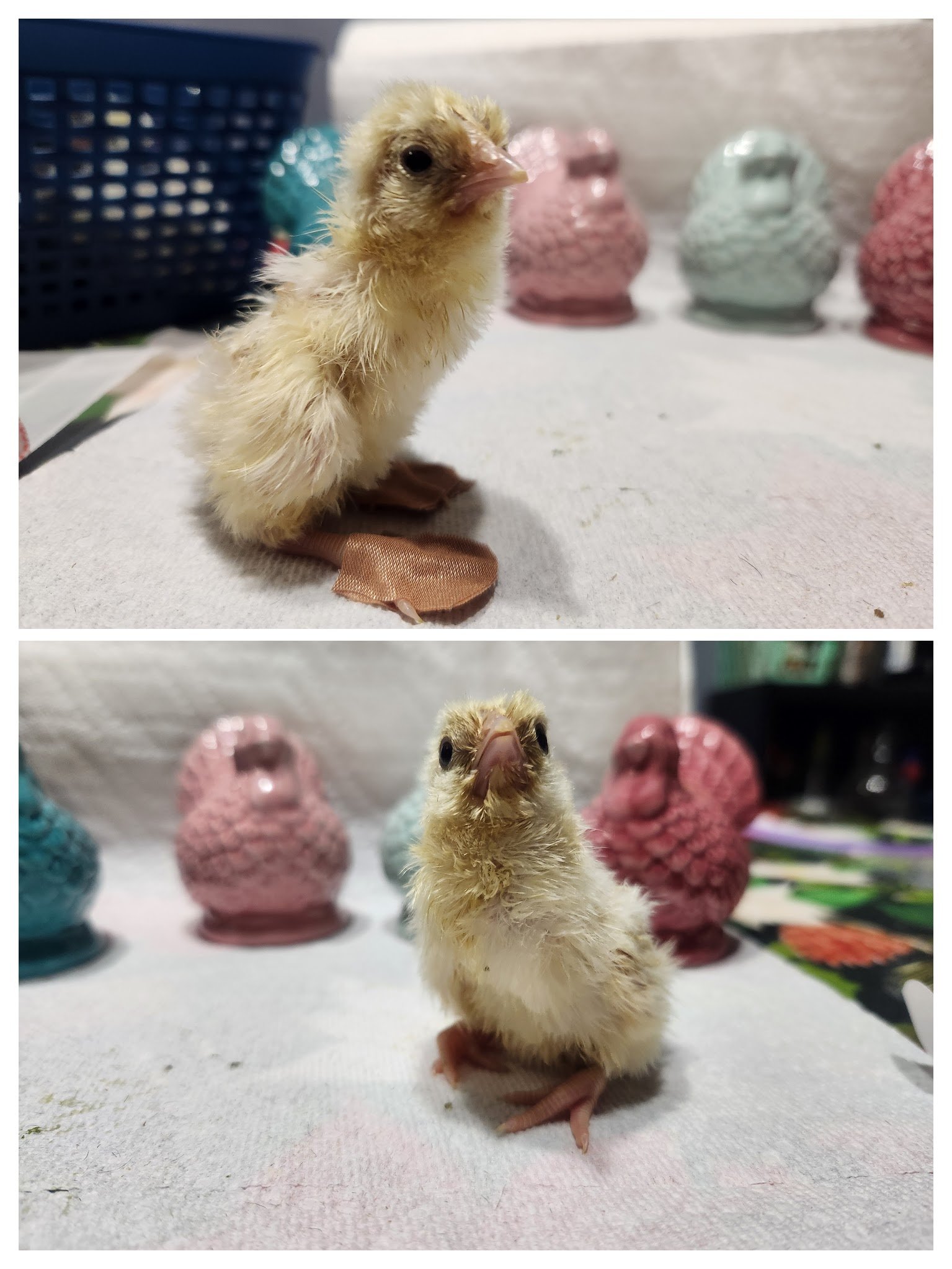
A Bresse chick with curled toes - After Splinting & Before Splinting
Hard Culls
At JK Homegrown, a hard cull is an animal that is removed from the breeding program and will ultimately be processed or euthanized rather than retained or placed as a live animal.
What that looks like depends on the animal, its age, the severity of the issue, and whether there is a humane and realistic alternative. Most often, if an animal is healthy, not suffering, and poses no immediate danger, I will grow the animal out and process it for meat. If an animal is suffering or poses a serious risk to people or other animals, euthanasia may be the appropriate decision.
If an animal is being culled because of illness, that animal is not processed for human or animal consumption.
Traits I am much less willing to work around include serious deformities, major quality-of-life concerns, dangerous aggression, and problems that I believe would be irresponsible to intentionally reproduce.
Cross beak is one example. I have kept cross-beaked birds in the past. I have used specialized feeders, wet mash, supplements, and even hand-feeding to keep an individual bird thriving. I loved that bird, and I was willing to do the work at the time. My priorities changed when I moved from keeping a casual backyard flock to managing a farm and breeding program.
The time and resources required to maintain one animal also have to be weighed against the care of every other animal on the farm. That does not mean the individual animal has no value. It means I have to make decisions based on what I can realistically and responsibly manage.
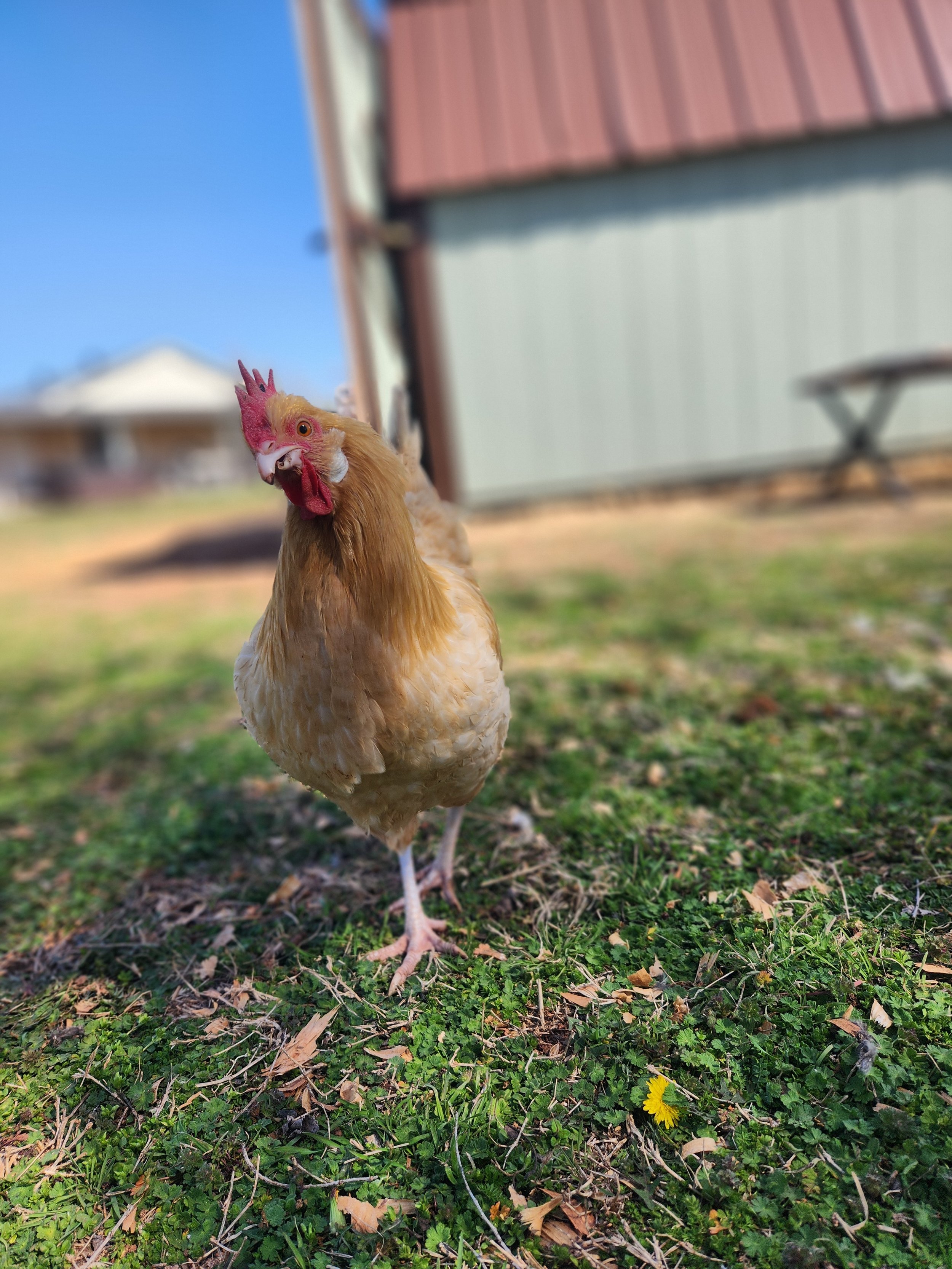
Crooky - The crossbeak Minorca that I had to hand feed daily in order for her to thrive
Why Culling Matters in a Breeding Program
Breeding is selection. If every animal produced automatically becomes breeding stock, there is no meaningful selection taking place.
I look at health, structure, temperament, production, fertility, breed type, and function when deciding what animals move forward. That is especially important in conservation work. Preserving a rare breed is not just about increasing numbers. I want the animals I produce to remain functional, healthy, and representative of what the breed is supposed to be.
Rarity matters, but rarity alone is not enough.
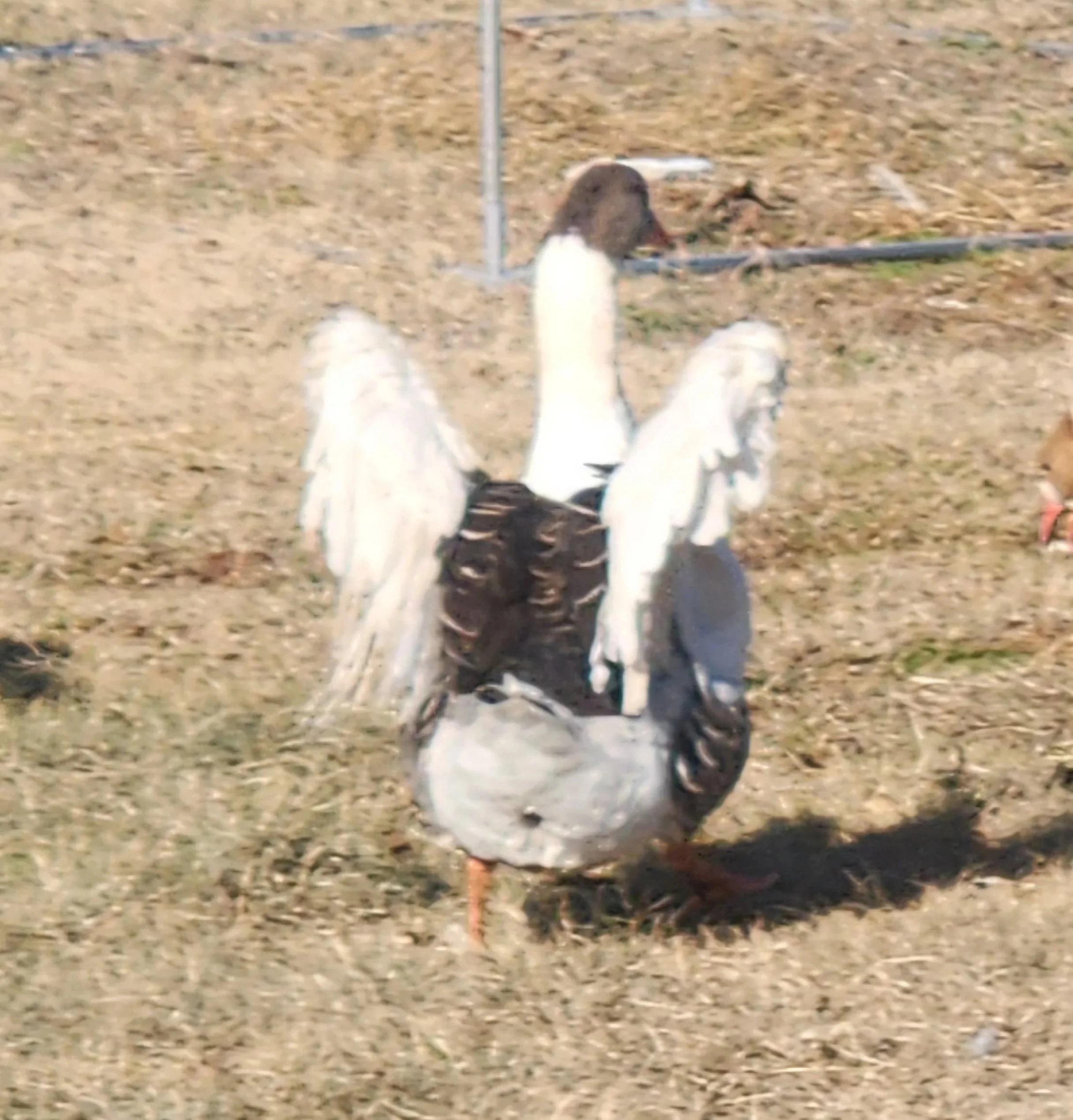
Pepper - A Pomeranian gander that I soft culled and rehomed to a pet only family.
Aggression
Aggression is one trait I have very little tolerance for. That applies across species. I do not want to build a flock, herd, or breeding program around animals that are dangerously aggressive toward people or consistently injuring other animals.
Context still matters.
A goose acting territorial during breeding season is not the same thing as an animal showing dangerous aggression year-round. A young animal going through an adjustment period is not necessarily showing a permanent temperament problem. This is where knowing the individual animal matters. The goal is not to react to one bad moment. It is to recognize patterns.
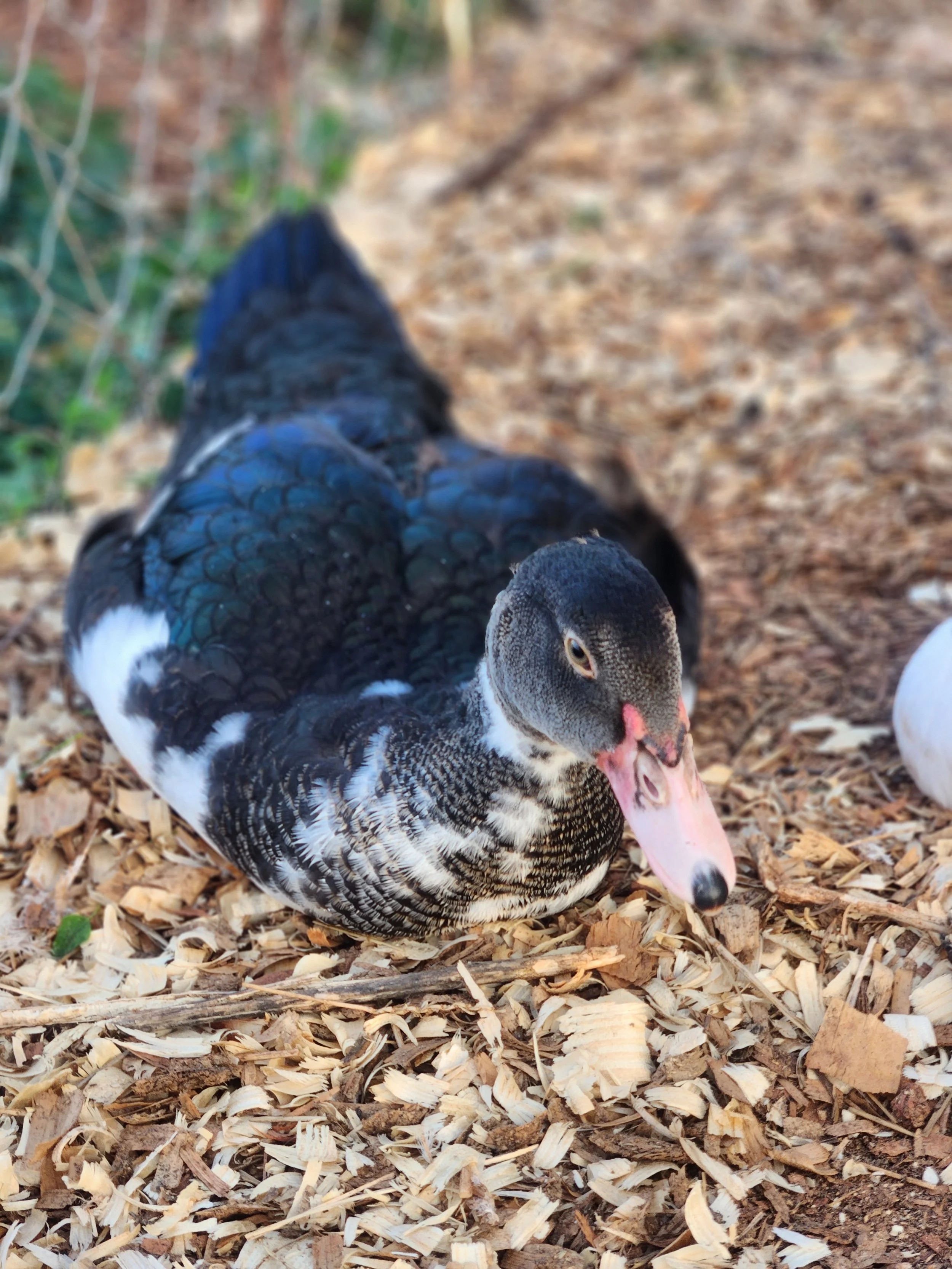
Maverick - My FAVORITE Muscovy from my first group of ducklings. He showed a lot of aggression around mating, and was attacking me every time I went outside. He was the first duck I ever processed and yes it was sad, but I was being harmed daily and he was killing ducks.
Parasite Resistance
In my sheep, parasite resistance is another important selection trait.
If one sheep requires significantly more intervention than the rest of the flock under the same management conditions, I have to consider whether that animal belongs in my long-term breeding program.
That does not mean I refuse to treat an animal that needs treatment. It means I pay attention to which animals repeatedly struggle while others remain healthy under the same conditions. Over time, those patterns matter.
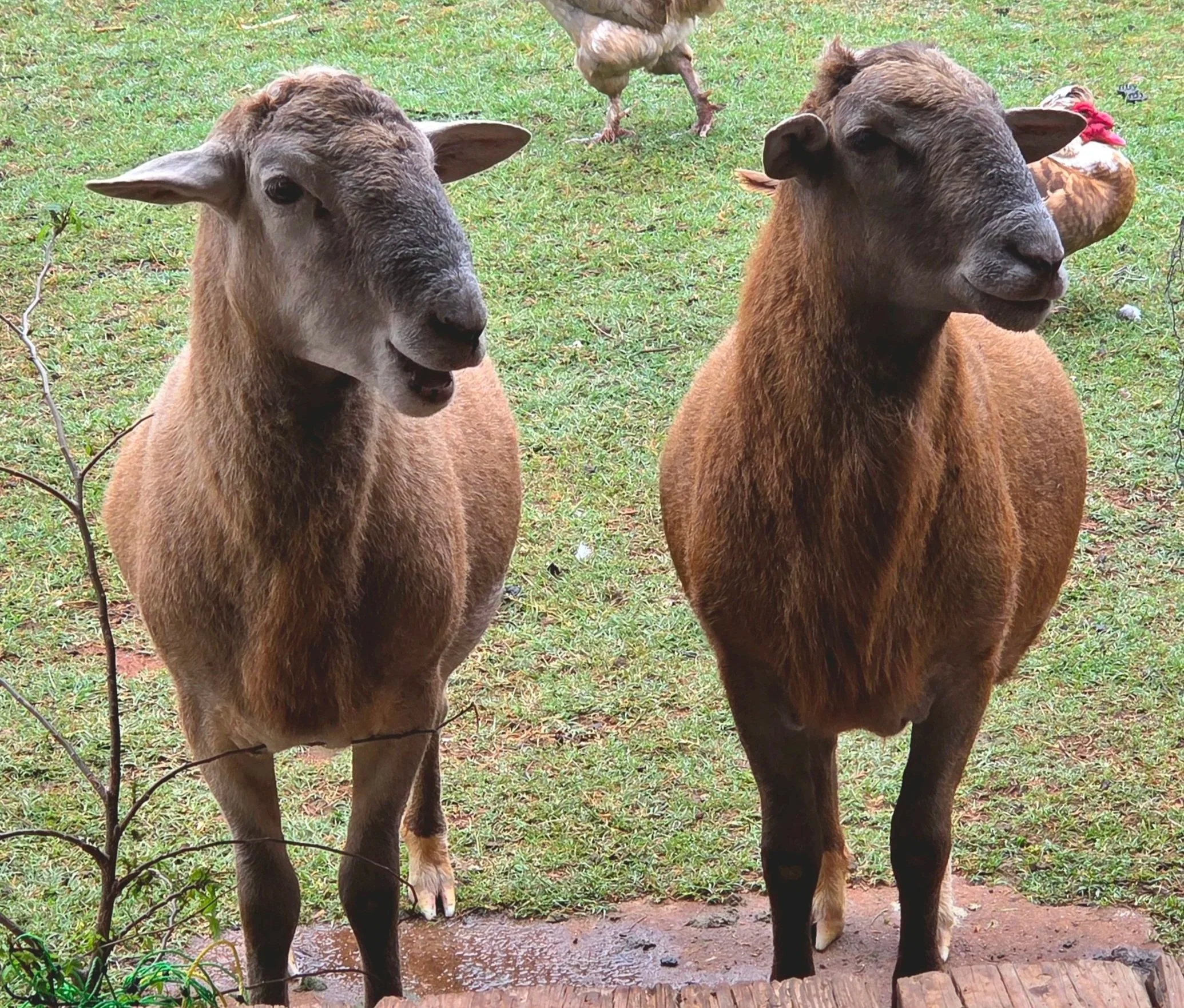
Roosevelt & Teddy - Katahdin Cross Rams - Teddy would suffer and need two to three times the deworming treatment on the same pasture as Roosevelt. Even though he had the better conformation, I chose to cull Teddy for the parasite issue since that would pass on to his offspring
Conformation and Type
Conformation and breed type are also part of selection. Adding the American Poultry Association’s Standard of Perfection to my library was some of the best money spent for my poultry breeding programs.
I believe strongly in working with what you have and improving what is available to you. But there is also a point where an animal may start so far away from the goal that using it creates more problems than it solves. That line will look different depending on the breed, the size of the available gene pool, and what resources a breeder has access to. Improvement takes generations. The question is whether a particular animal gives the program something worth moving forward with.
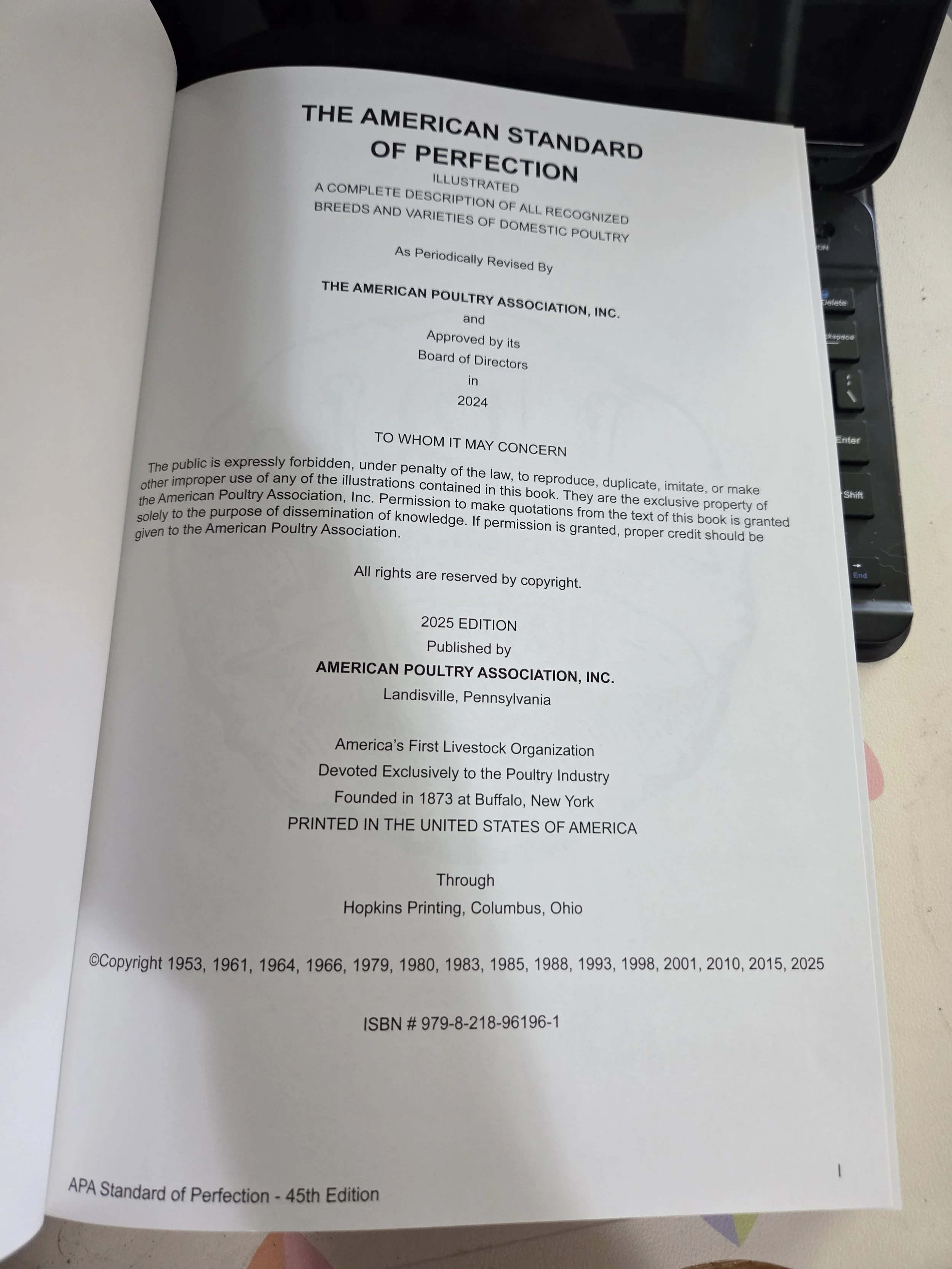
American Poultry Association Standard of Perfection - 45th Edition
Context Matters
One of the hardest parts of culling decisions is that very few situations are completely black and white.
Some traits may be genetic.
Some may be environmental.
Some may be caused by incubation, nutrition, injury, stress, or poor early management.
Sometimes an animal simply needs time.
I have animals that received very different starts in life, and I take that history into consideration before making permanent decisions about them. Responsible culling is not about finding an excuse to remove an animal. It is about looking at the whole animal, its history, the pattern you are seeing, and the purpose of the breeding program.
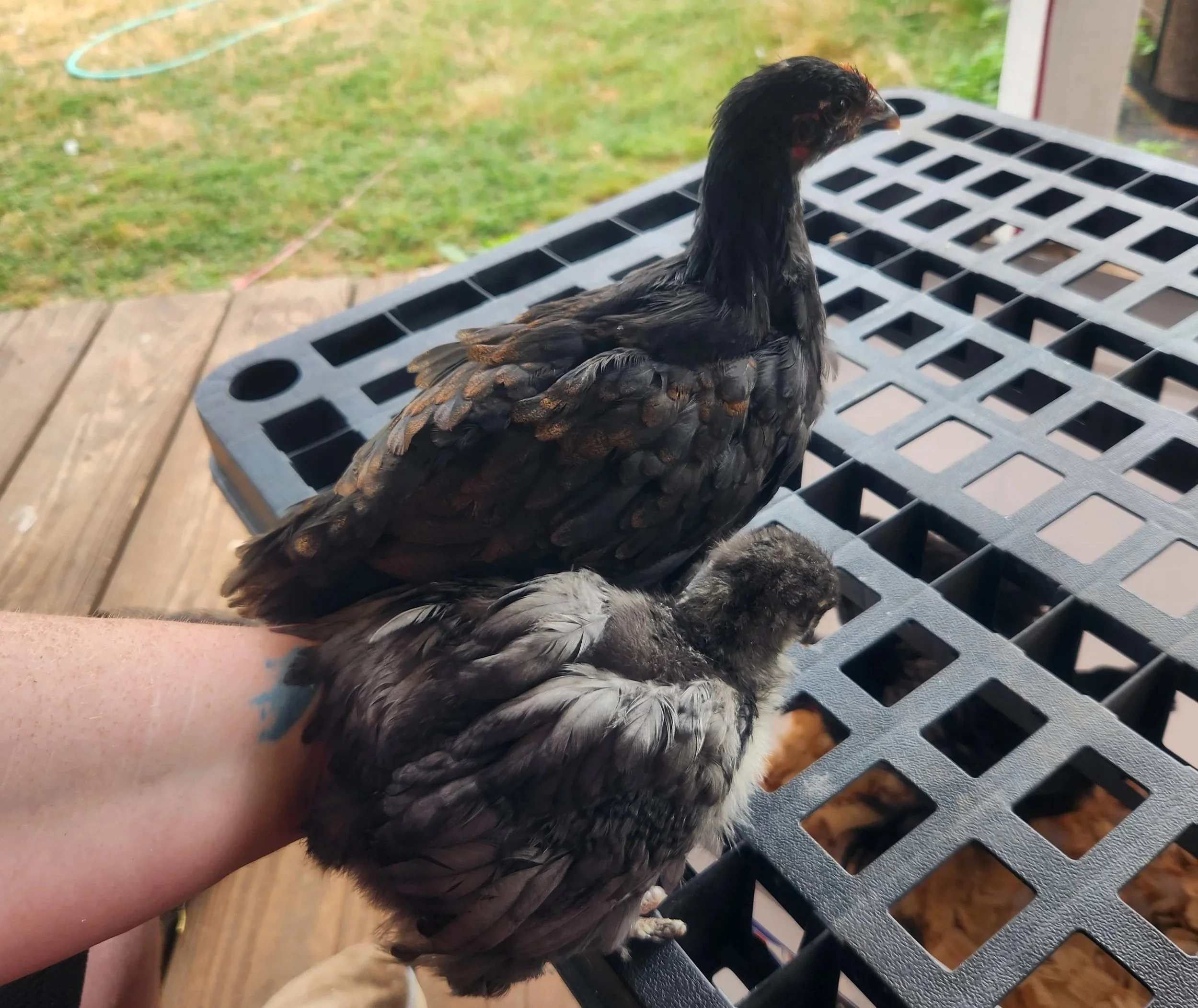
Two Marans Grow-outs - Left has a color fault called Mossiness and the Right has a genetic defect called Failure to Thrive. These can from the same eggs, same hatch, and are the same age.
Resources Are Part of Animal Care
This part of the conversation can be uncomfortable, but time, labor, money, and energy are finite resources. Spending several hours every day maintaining one animal can affect the care available to every other animal on the farm. It can also affect the farmer. That matters.
Good animal husbandry is not measured by how much suffering or exhaustion a person is willing to absorb to keep every individual animal alive at all costs. Sometimes responsible management means recognizing that the resources being devoted to one animal could provide better care for many others.
A Cull Is Not a Worthless Animal
This is one of the biggest misconceptions I would like people to understand. An animal can be removed from a breeding program and still have value.
A soft-culled hen can spend years laying eggs.
A livestock animal may become food.
Another animal may be better suited to a pet or production home than a breeding program.
An animal that does not fit my program may still be useful to another breeder working toward different goals.
Culling is not a judgment about whether an animal deserves to exist. It is a decision about whether that animal fits a particular purpose. And on a breeding farm, making those decisions is part of the responsibility that comes with producing the next generation.
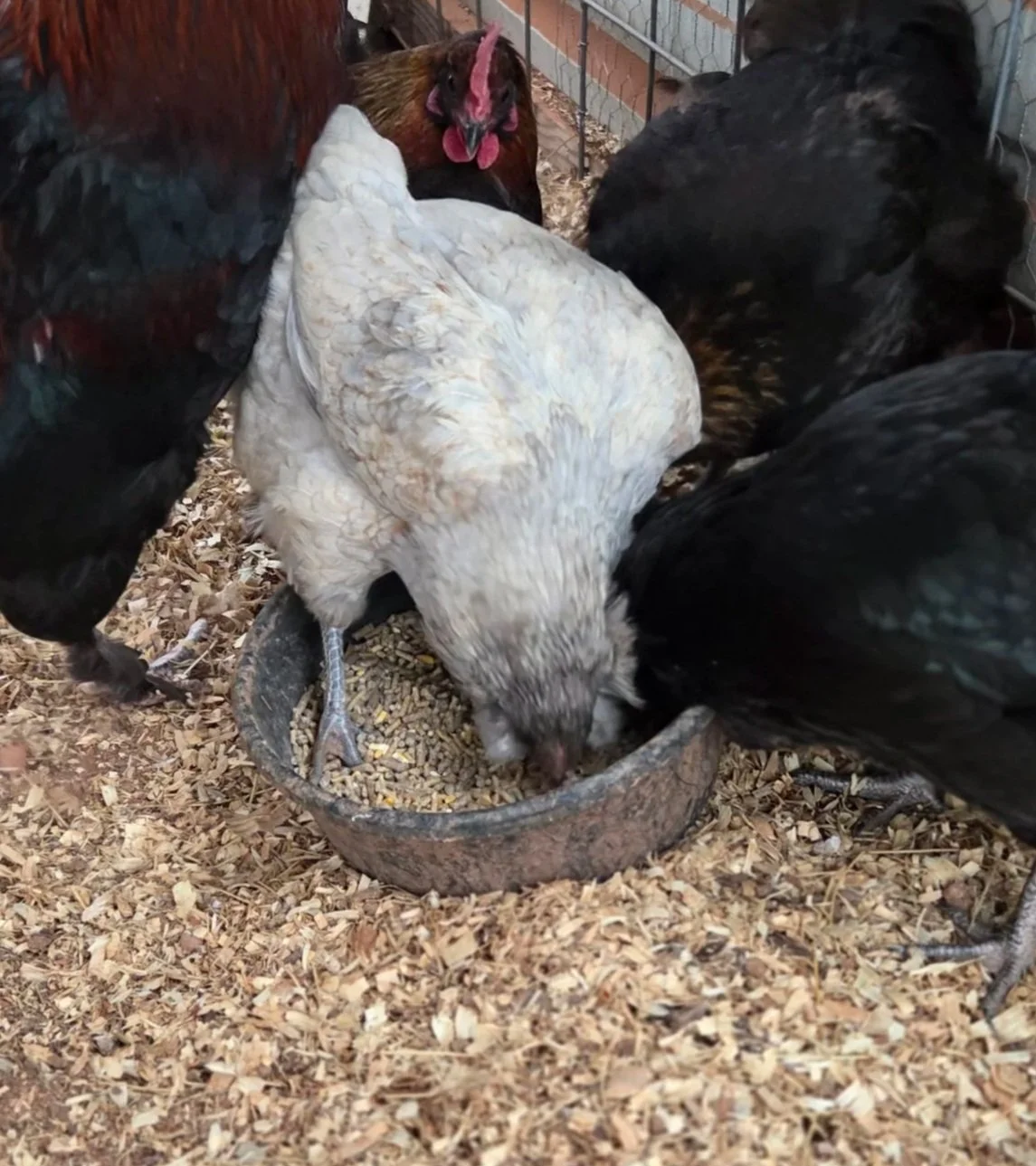
Linnet - A blue Ameraucana cull from Steve Neumann’s Blue Program that is being used in my Homegrown Egger program
What Do You Cull For?
Every breeder and every farm is going to develop different priorities. Some traits become important because of the environment. Others become important because of the breed. And sometimes another farmer mentions something you have never encountered before and suddenly gives you another trait to start watching.
If you breed livestock or poultry, I am always interested in hearing what you select against and why.
And if you are uncomfortable with the idea of culling, I would encourage you to ask what the term means in that particular situation before assuming the worst.
The reasons behind the decision matter
“Responsible breeding is not just about deciding what animals you want to reproduce. It is also about deciding what traits you do not want to continue. ”
