JK Homegrown in the Show Hall
Kellie in the Show Hall
My large fowl Silver Ameraucana program was built directly from Steve Neumann’s flock. Steve worked with large fowl Silver Ameraucana for twelve years, and for roughly the last seven years his flock was maintained as a closed line. In June 2026, Steve bequeathed that flock to me, giving me the responsibility of continuing the work he had already spent more than a decade developing. Steve has been active within the Ameraucana community for years, including contributing to Ameraucana breed-history discussions and Silver breeding conversations. Other experienced Ameraucana breeders have publicly recognized the quality of his large fowl Silvers, which makes carrying that line forward especially meaningful to me.
My Pomeranian Goose flock began in November 2024, shortly after I attended the Mega Show in Norman for the first time. My original four Pomeranians came from Blake Bell of Bell’s Conservancy. Since then, I have continued building that flock by bringing in genetics from other breeders and farms, including Jim Harris, Brie Johnson, and Secret Garden Farms. Because Pomeranian Geese are critically endangered, I am continuing to secure genetics from across North America before narrowing the flock too heavily through long-term selection. I want to build as much useful genetic diversity into the population as I reasonably can while still selecting toward healthy, correct, productive birds.
My Blue, Black, and Splash Ameraucana are sourced from Lindsay Helton’s line. Lindsay currently serves as Secretary/Treasurer of the Ameraucana Breeders Club and earned ABC Master Exhibitor status in 2022. I chose to develop a BBS line because it gives me a second large fowl Ameraucana program with colors that are more straightforward than Silver. My goal is to use that line as another place to develop my eye, improve my understanding of type and color, and continue learning how to make consistent breeding selections.
I will also be working with Steinbacher Geese through a satellite flock arrangement with Secret Garden Farms. Those birds trace back to stock imported from Shawn McIntosh, giving me the opportunity to work with another rare goose breed and continue expanding the conservation work I am personally involved in.
-
My mentor lives out of state, and while photos are incredibly useful, they can only convey so much. Hands-on evaluation is an important part of improving individual birds and an entire breeding line.
I am still fairly new to evaluating birds myself. I can put my hands on a bird and think something feels great, but I do not have the decades of experience that many poultry judges have. Showing gives me the opportunity to lean into that expertise and have my birds evaluated against the APA Standard of Perfection by experienced judges.
It also gives me an opportunity to promote the breeds and varieties I care about.
When I first started attending poultry shows, one thing became very apparent to me. I rarely saw Silver Ameraucana in the show hall. There are beautiful Blacks, Blues, Splashes, Wheatens, and other varieties being exhibited, but Silver, Buff, and Brown Red are much less commonly seen.
Silver Ameraucana are the chickens I am most passionate about preserving, and I want them represented in the show hall. I want someone walking through a poultry show to stop in front of one of my birds, fall in love with the variety, learn more about Ameraucana, join the breed community, and maybe someday help preserve them too.
Showing is not only about finding out how my birds place. It is another tool for evaluating my breeding program and another opportunity to put these birds in front of people who may become part of their future.
-
My primary exhibition breeds are large fowl Ameraucana and Pomeranian Geese.
With Ameraucana, I work with Silver and Blue, Black, and Splash (BBS). Silver is my primary preservation variety and the one you are most likely to see me exhibiting.
My Pomeranian Geese are shown in Buff Saddleback and Gray Saddleback.
I am also considering exhibiting some of my Saxony and Ancona ducks as those flocks develop.
More recently, I made arrangements with another farm for JK Homegrown to maintain a satellite flock of Steinbacher Geese, so you may eventually see those birds accompanying me into the show hall as well.
What I exhibit will continue to evolve alongside my breeding programs.
-
I started by going to a poultry show simply to walk around, learn, and meet Whitney Bissonnette.
I had followed Whitney on TikTok and Facebook for quite a while. Her videos were some of the content that helped me begin understanding how to read the Standard of Perfection and how to look at my own birds more critically. We work with very different breeds, but watching her evaluate and discuss her birds made exhibition poultry much more approachable to me and sparked my interest in showing.
When I learned that she would be attending the Mega Show in Norman, Oklahoma, I immediately made plans to go with a couple of friends so I could finally meet her.
That show changed things for me.
I had a wonderful experience talking with Whitney, seeing the birds, walking the show hall, and experiencing the exhibition side of poultry for myself. That was the day I decided, I want to do this.
It took me about two years to actually get there.
My first official show as an exhibitor will be the Mega Show in Norman on November 7, 2026. I am extremely excited, and yes, extremely nervous.
For me, showing is another step toward building a more well-rounded, ethical, bred-to-Standard breeding program. It gives me another way to educate myself, evaluate my work, and continue developing as a breeder.
I am a member of the American Poultry Association, Ameraucana Breeders Club, Ameraucana Alliance, and The Livestock Conservancy. Exhibition is becoming another part of how I continue learning, developing my breeding programs, and promoting rare and conservation-priority breeds and varieties.
-
Absolutely, within the limits of what I know.
I am still a novice exhibitor myself. I am not going to pretend to be an expert, or even an intermediate exhibitor, when I am still very much learning.
What I can do is share what I learn along the way.
I plan to document my own journey into showing, including what works, what does not, what I learn from judges and other exhibitors, and the resources that help me along the way.
If you are interested in getting started and I know the answer, I am happy to help. If I do not know the answer, I am also happy to help point you toward someone with more experience who does.
As I gain experience, I hope the amount of knowledge I can pass along will grow with me.
-
Yes, when I am able to.
I believe youth participation is an important part of keeping poultry exhibition, agriculture, and heritage breed conservation moving forward. If we want these breeds, skills, and communities to continue into the future, we have to start now by cultivating the next generation of poultry enthusiasts.
Depending on the situation and what I have available, I may be able to help with birds, mentorship, show preparation, educational resources, or other forms of support through JK Homegrown.
If you have a 4-H or youth exhibitor who needs help getting started, you are welcome to reach out and tell me a little about them, what they are interested in, and what kind of help they need.
-
![]()
Canadian Valley Poultry Club Mega Show - Norman, OK 11/07/26
-
![]()
Oklahoma State Poultry Federation Show - Shawnee, OK 12/12/26
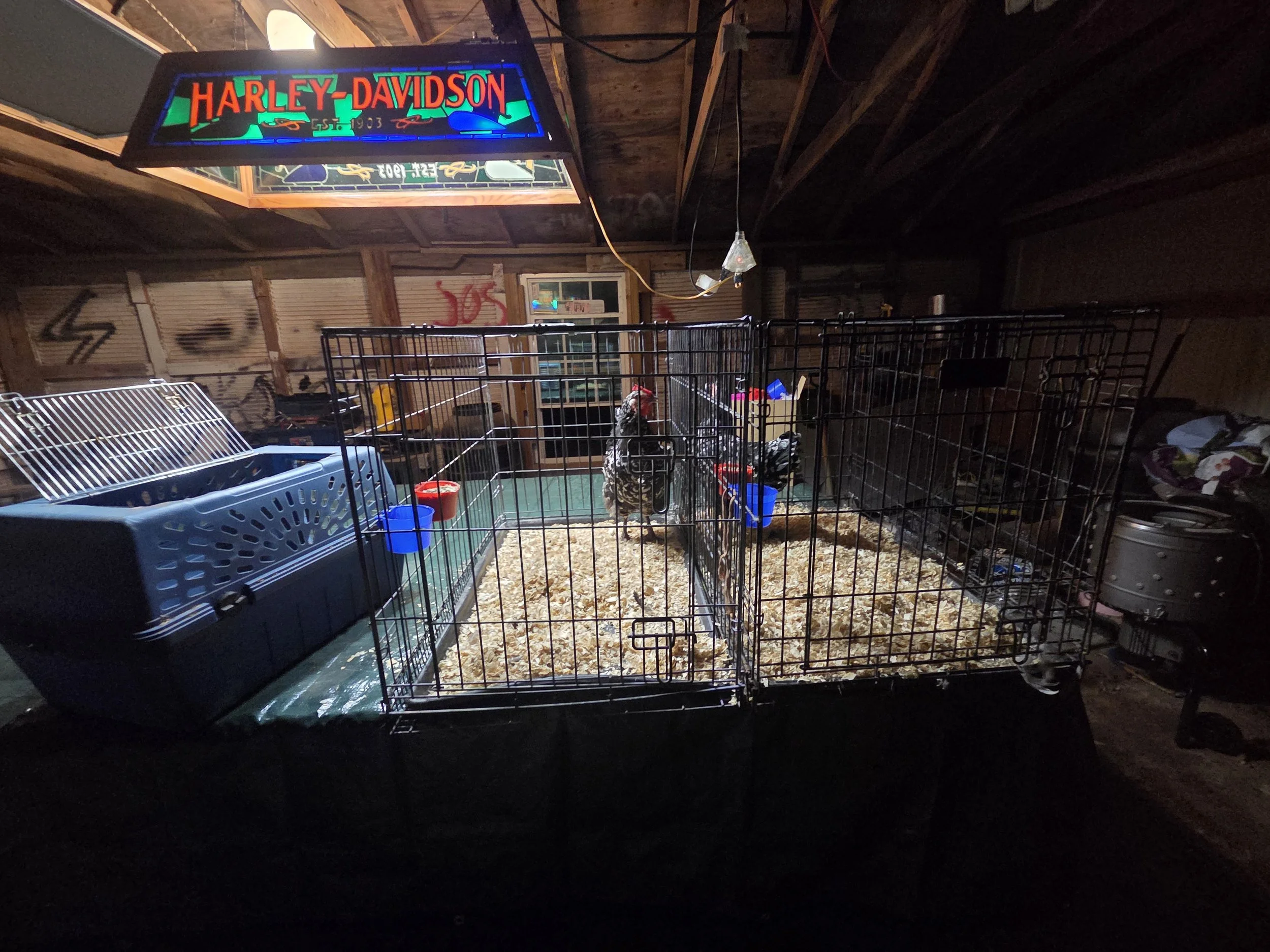
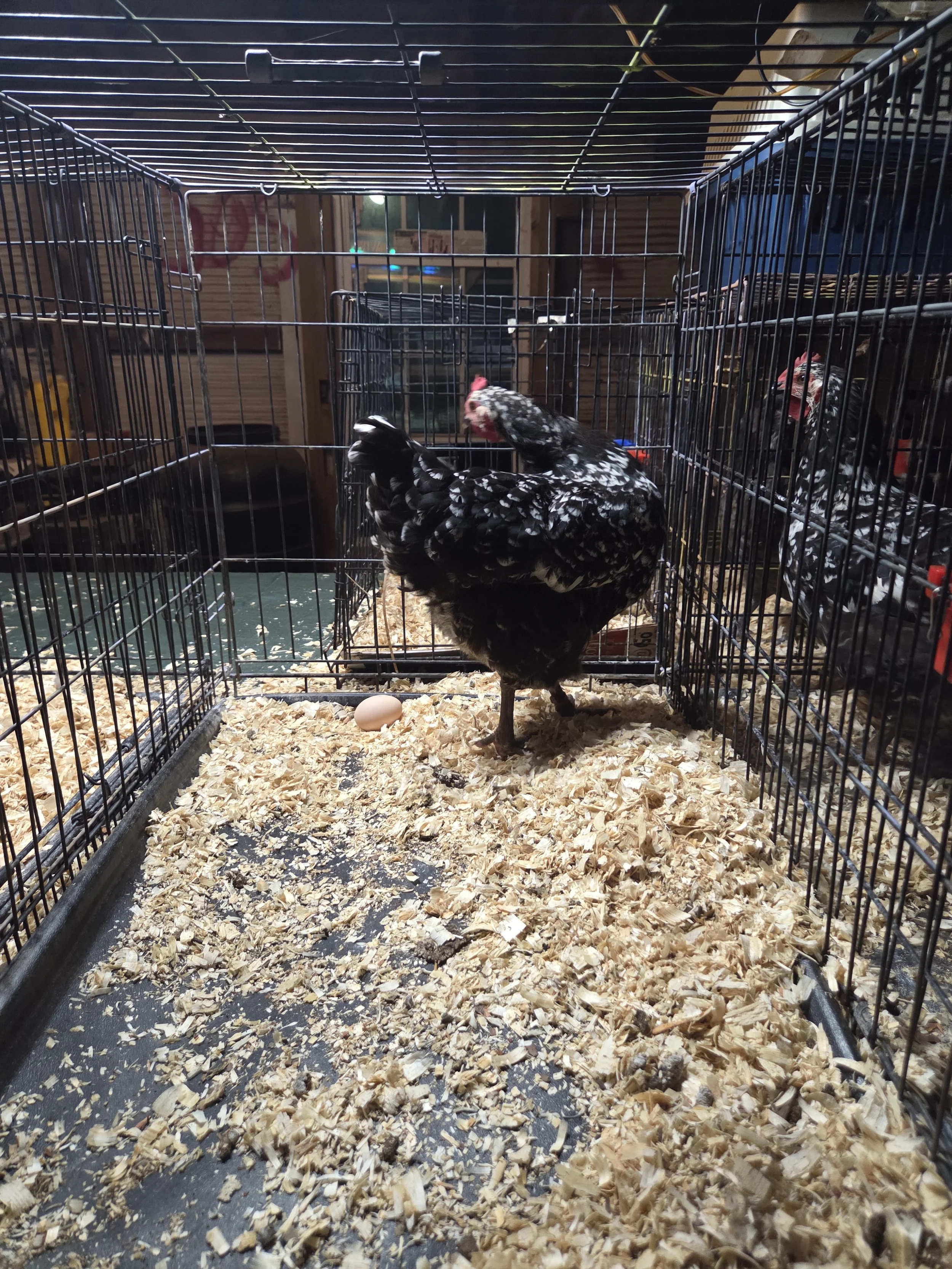
Getting the Java hens into cages
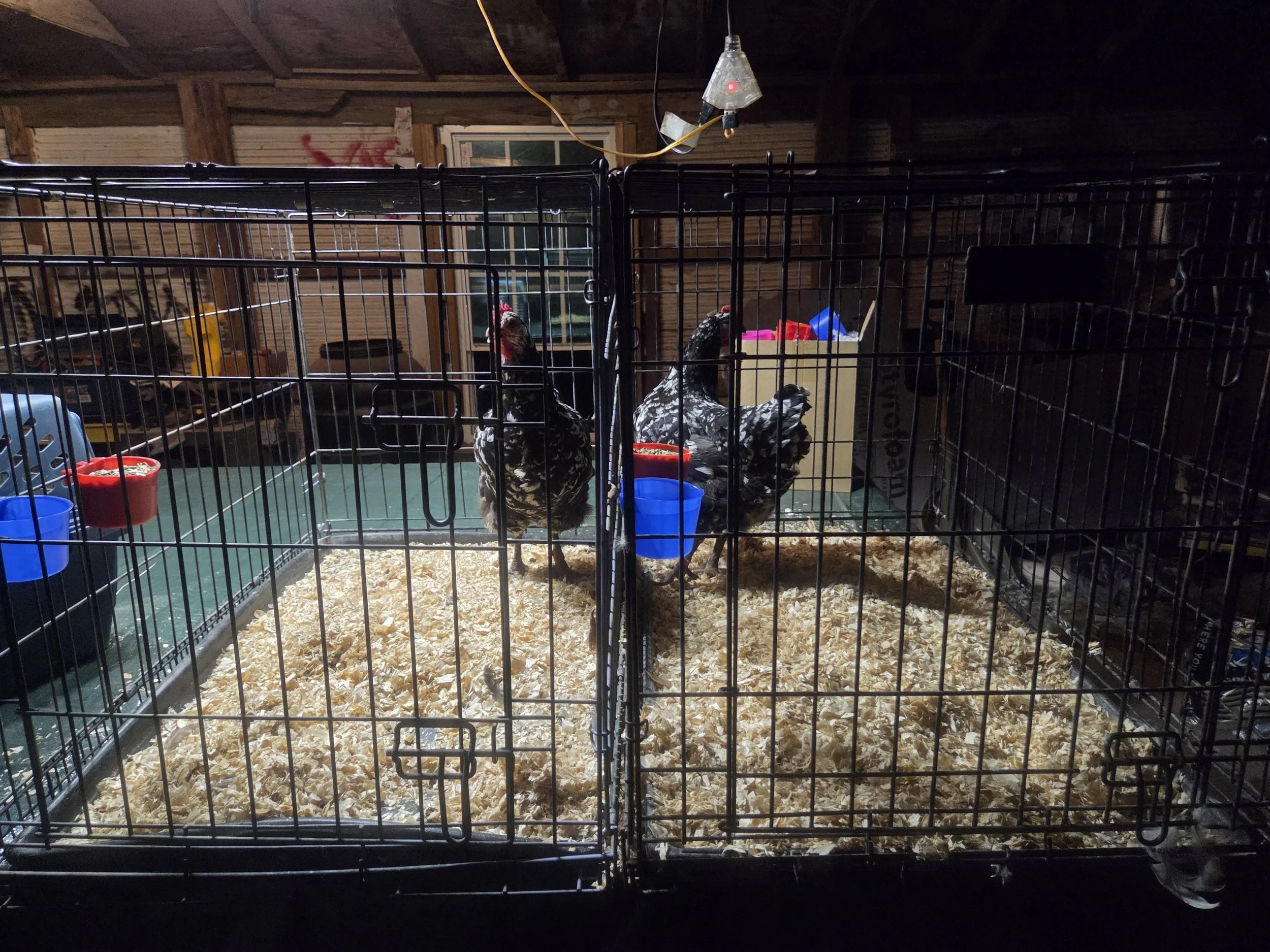
Getting the Java hens into cages
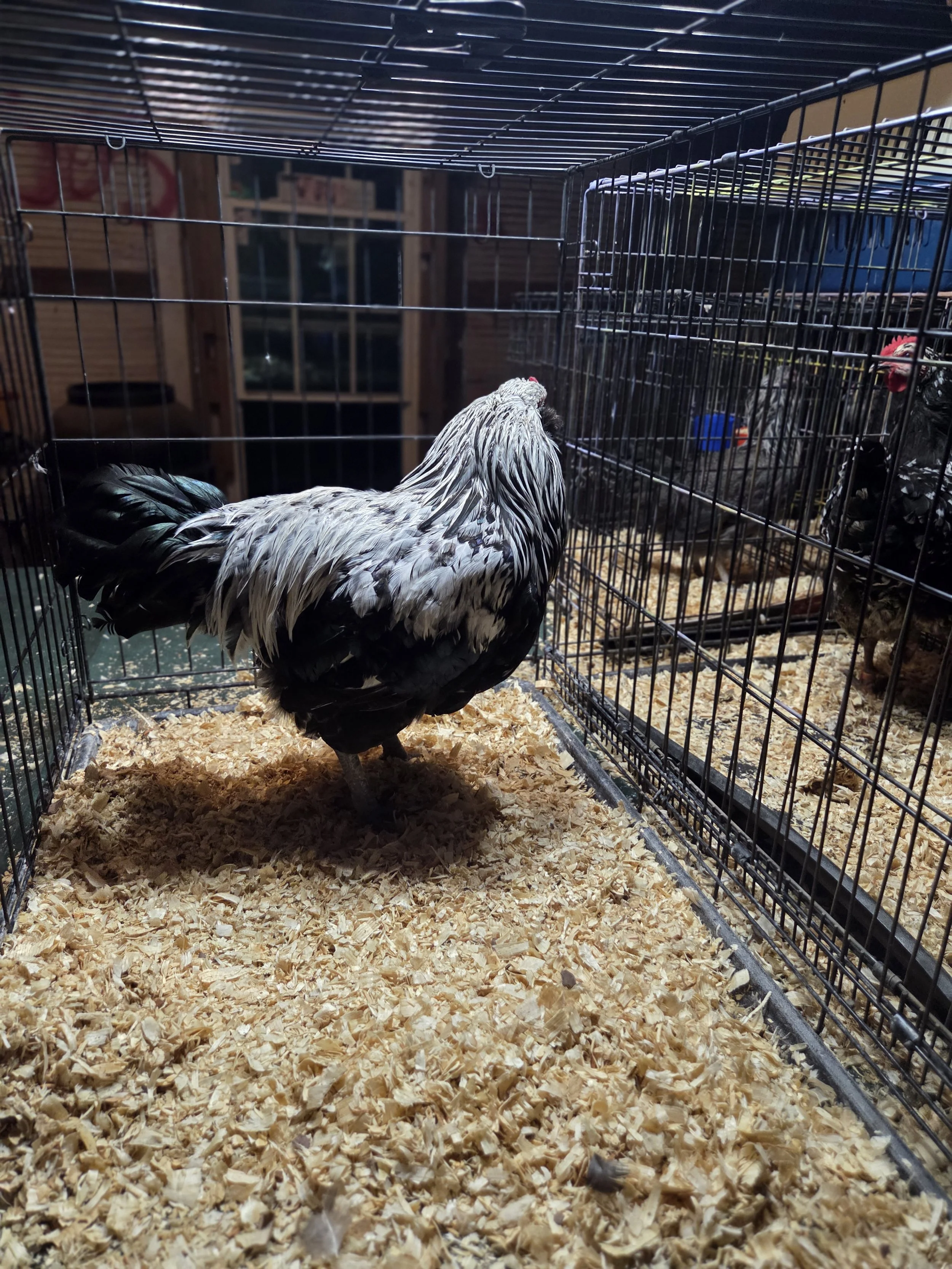
A Silver Ameraucana cock
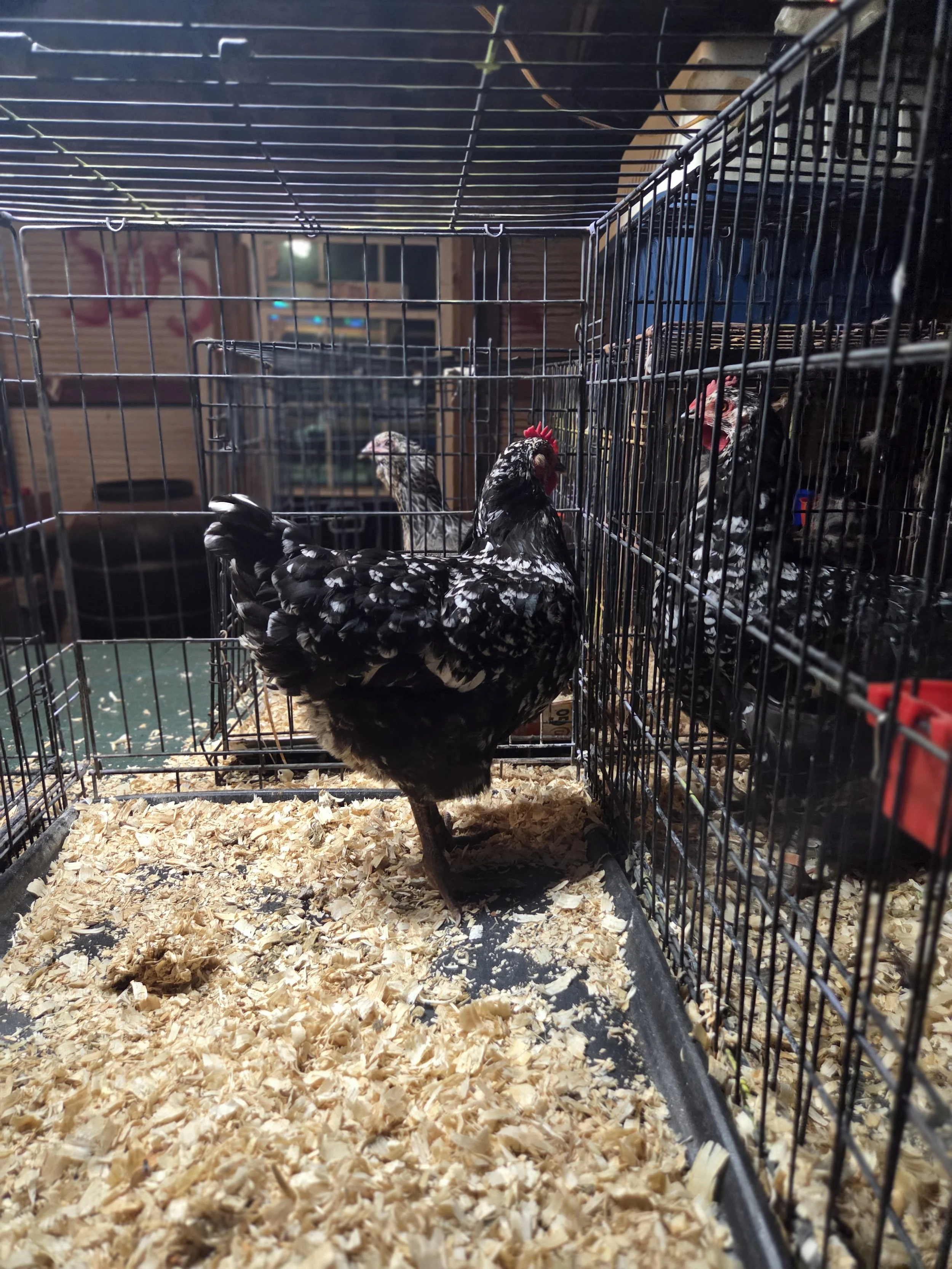
Mottled Java Hen A
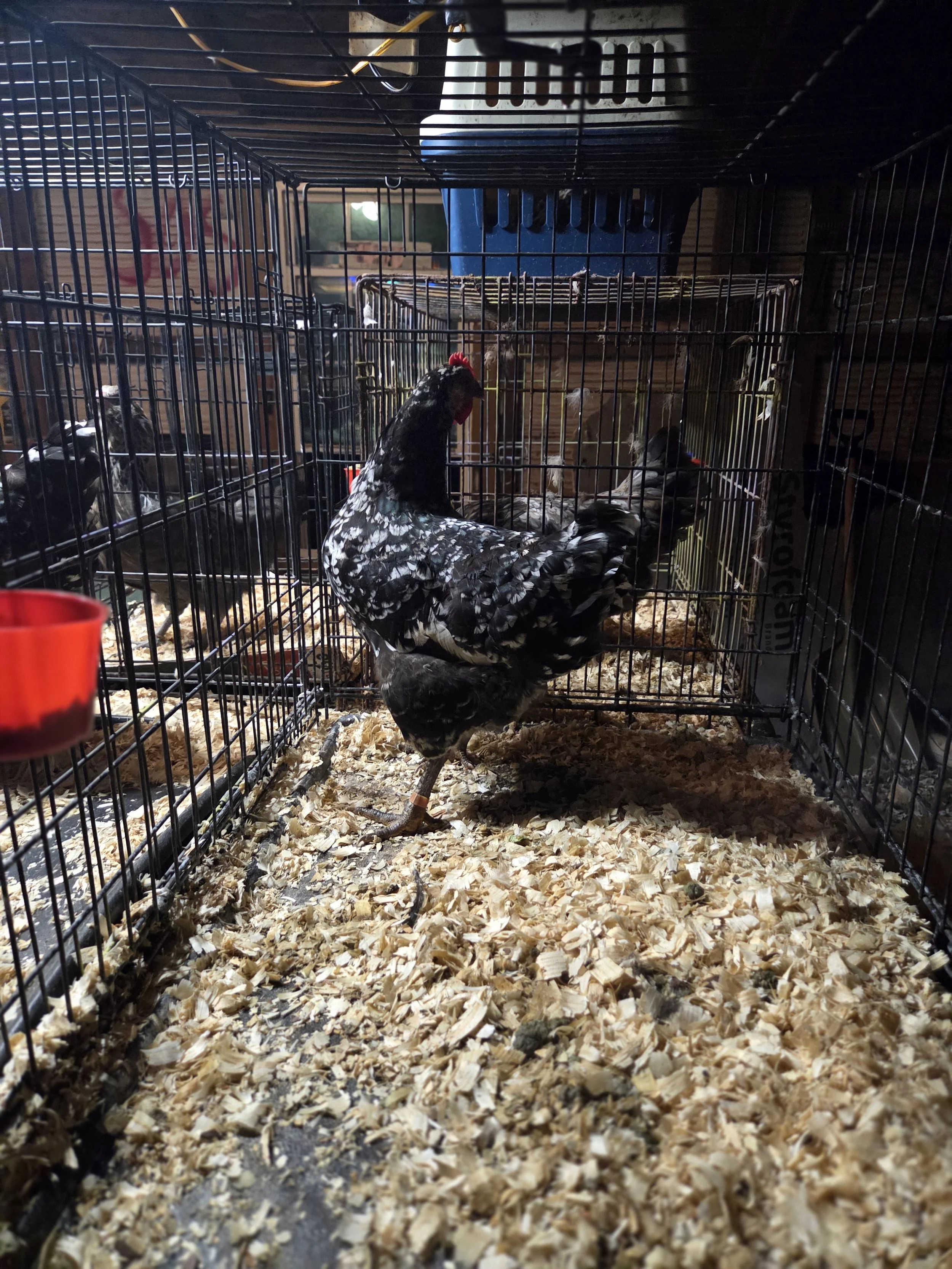
Mottled Java Hen B
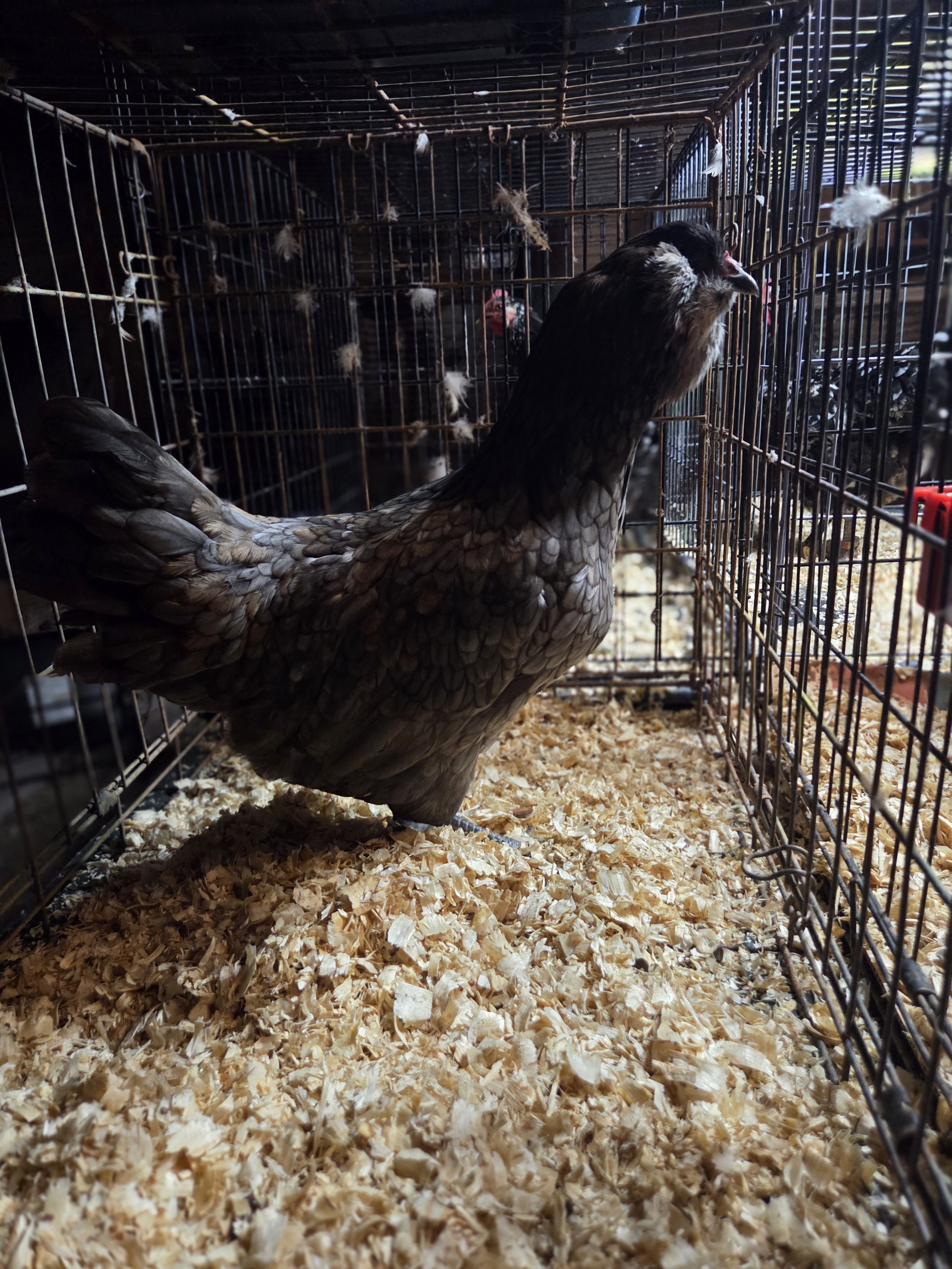
A Blue Ameraucana pullet
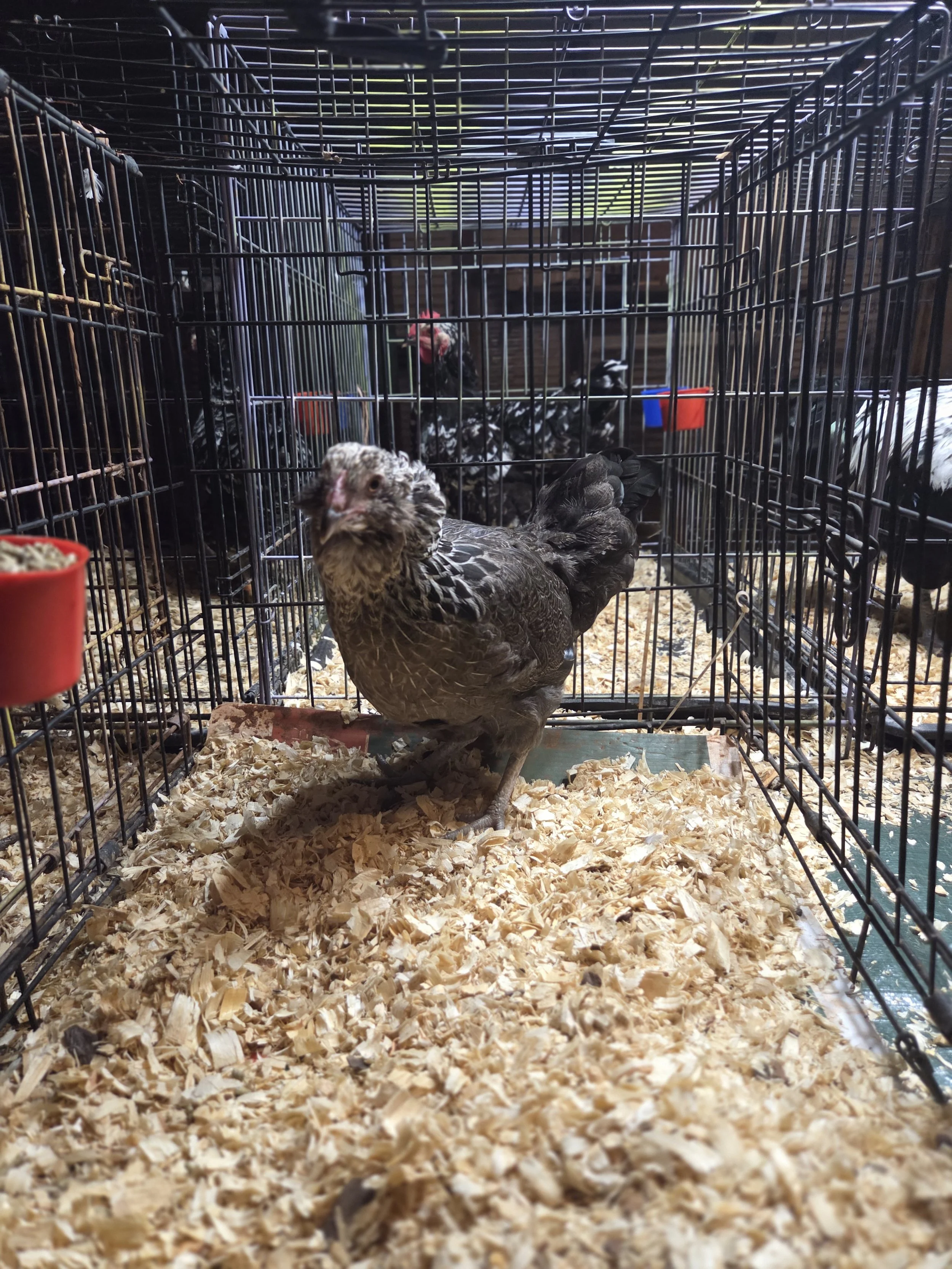
A Silver Ameraucana pullet
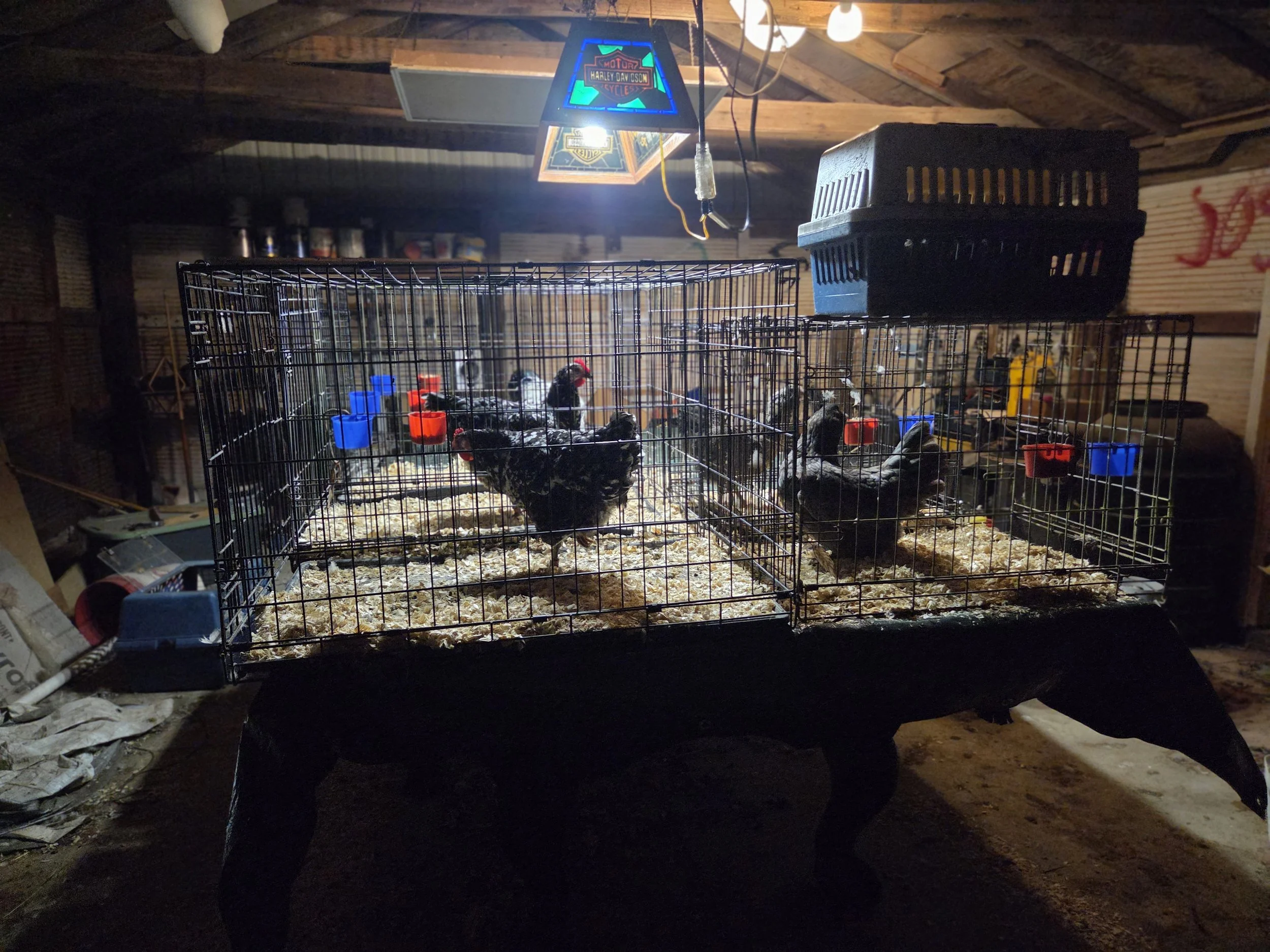
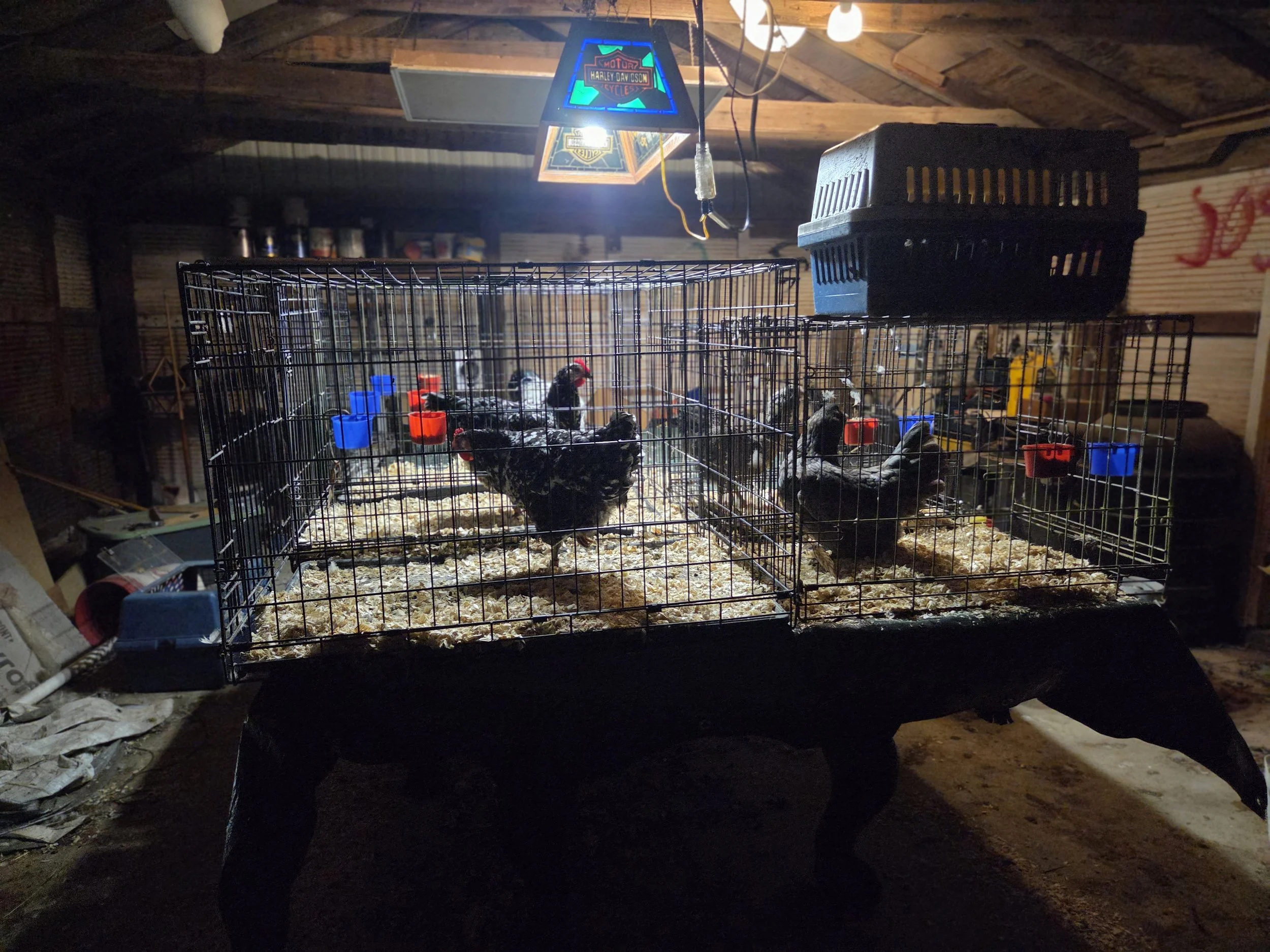
The conditioning set up
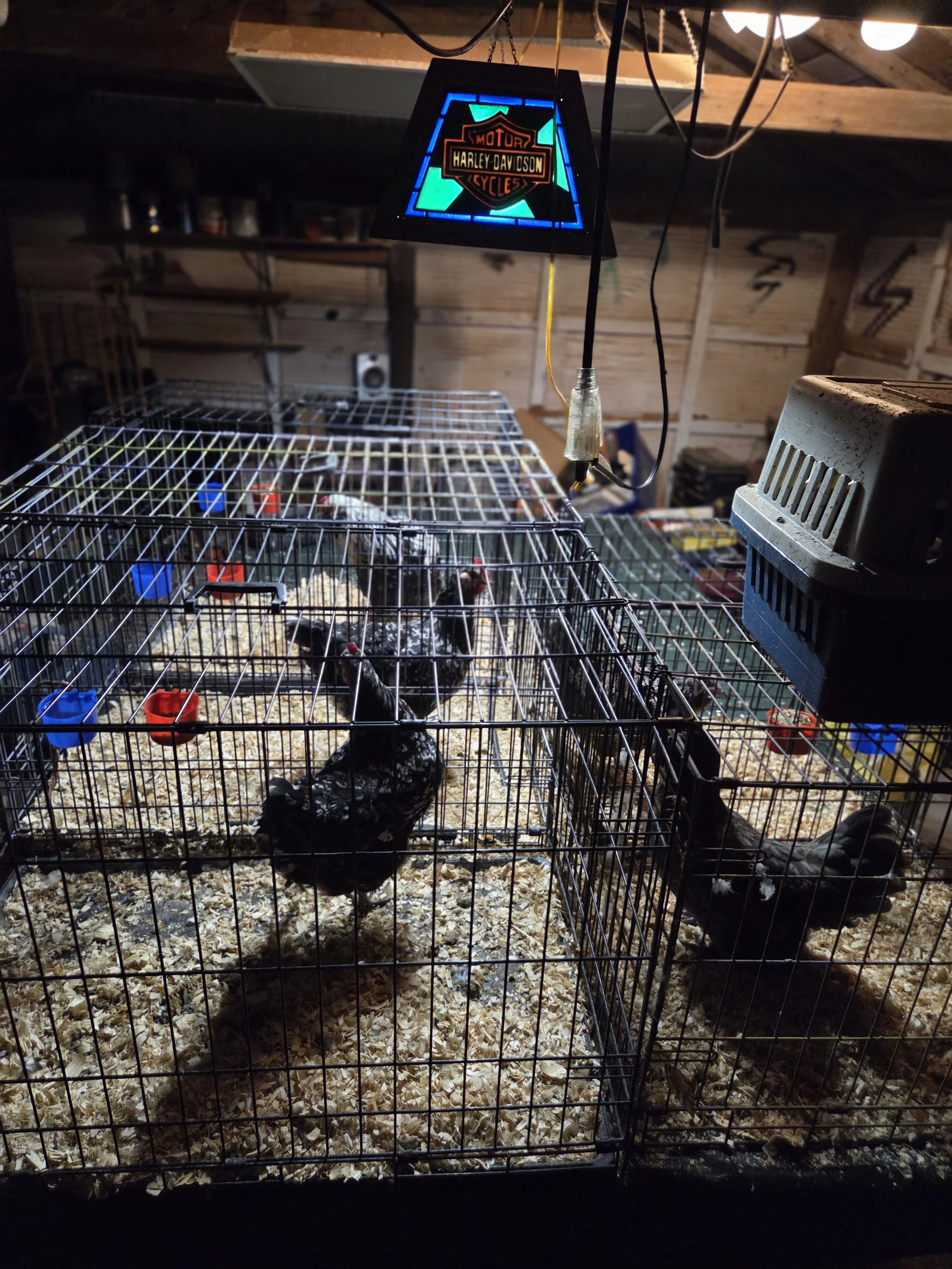
The conditioning set up