About
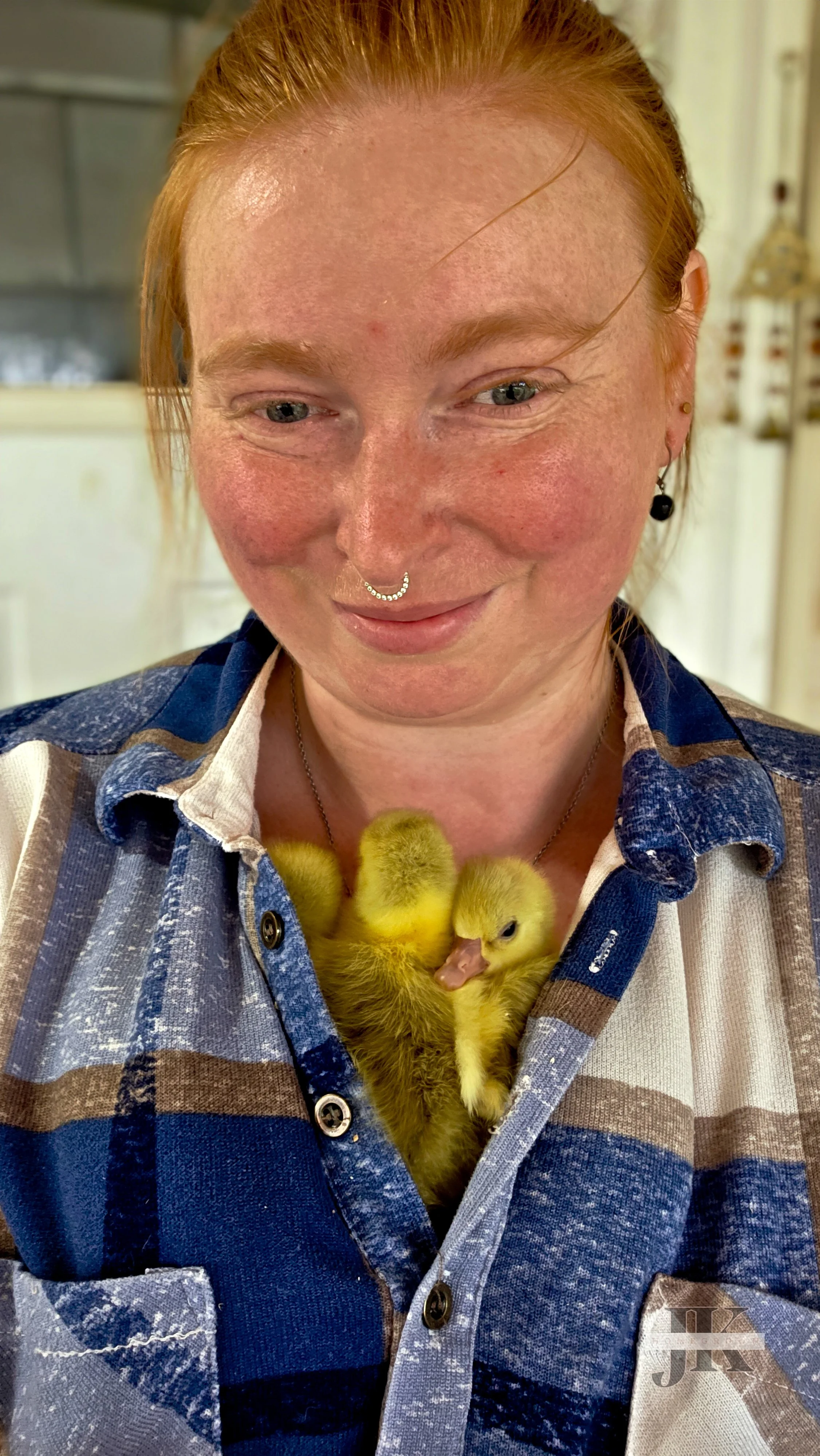
JK Homegrown
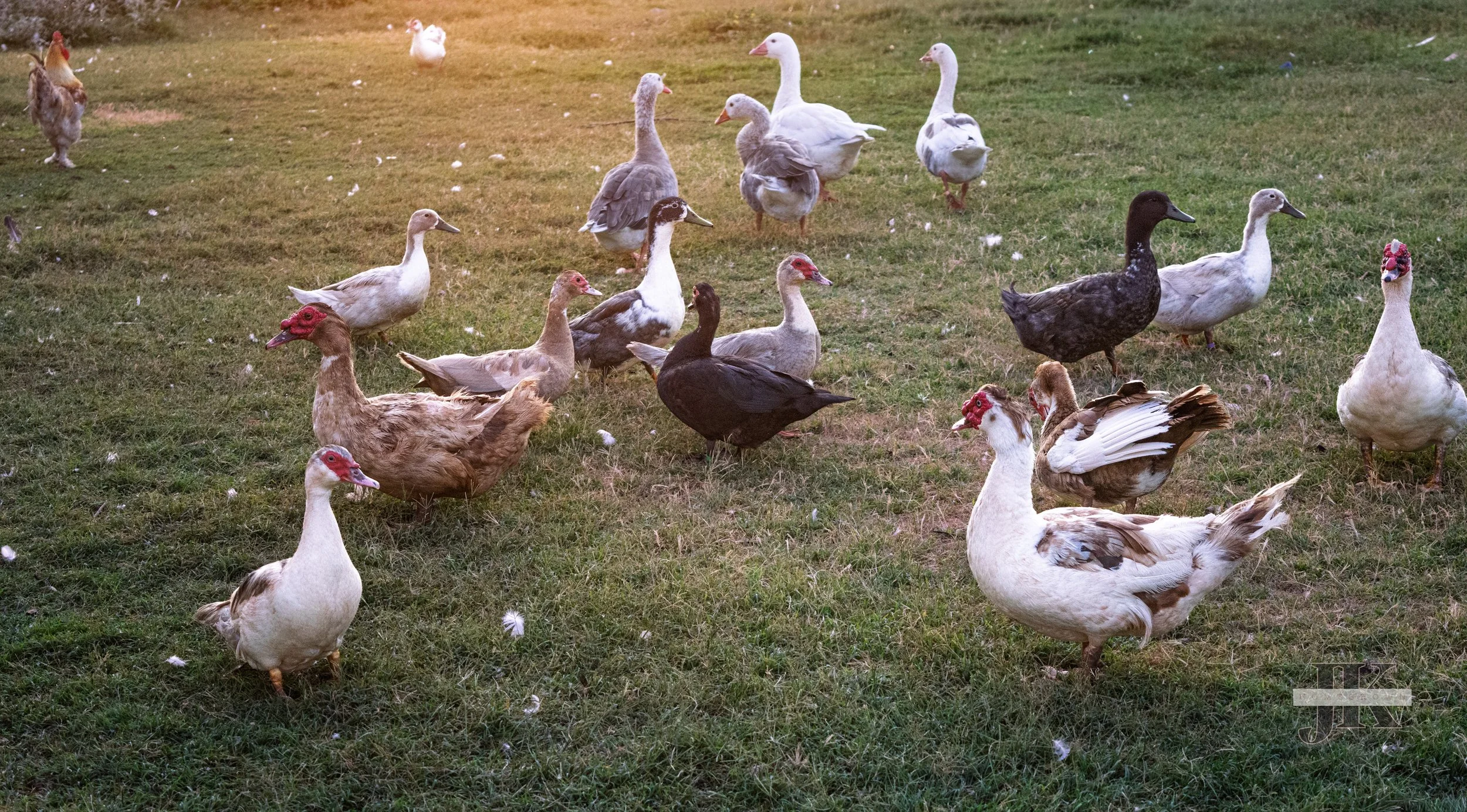
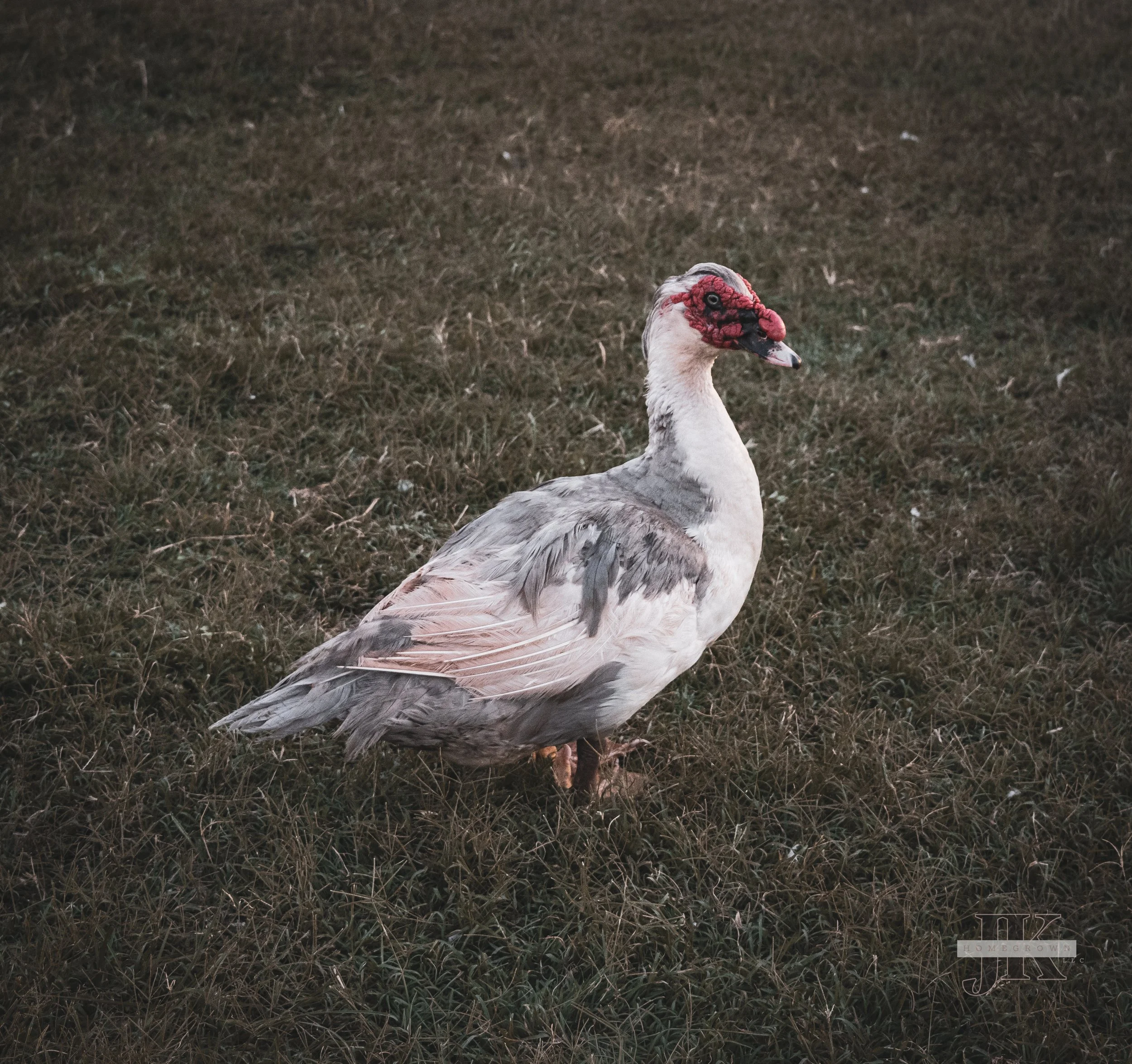
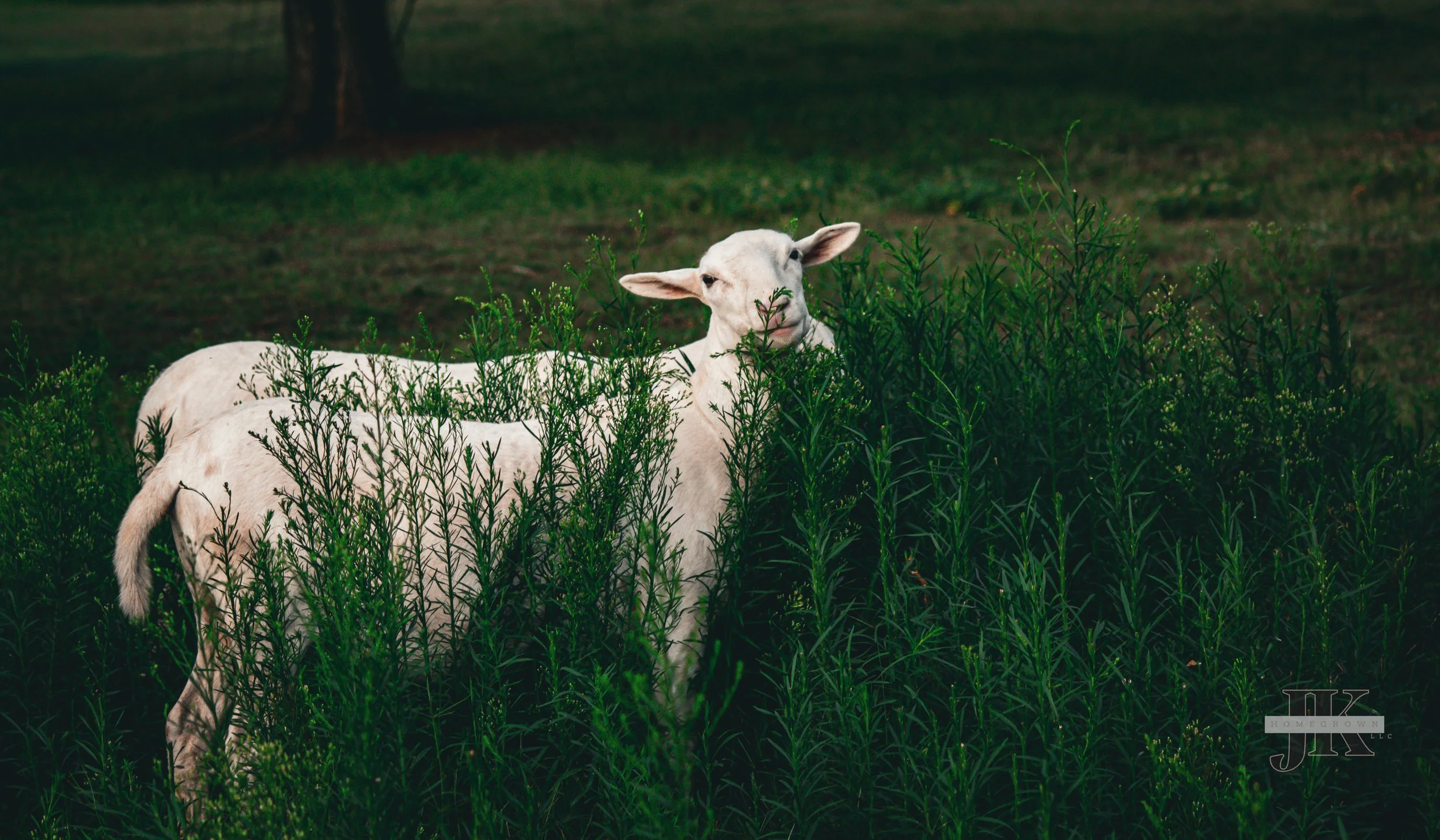
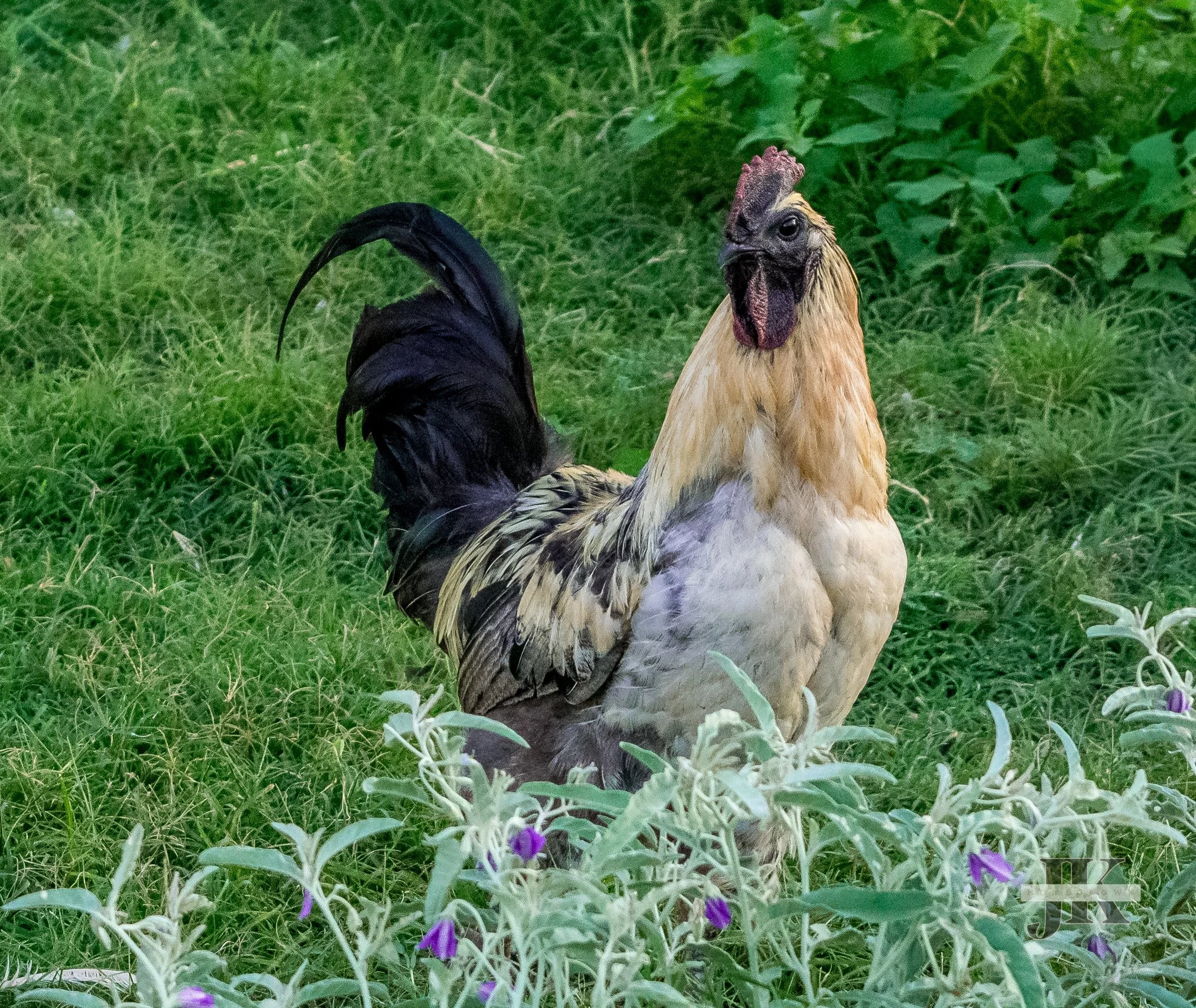
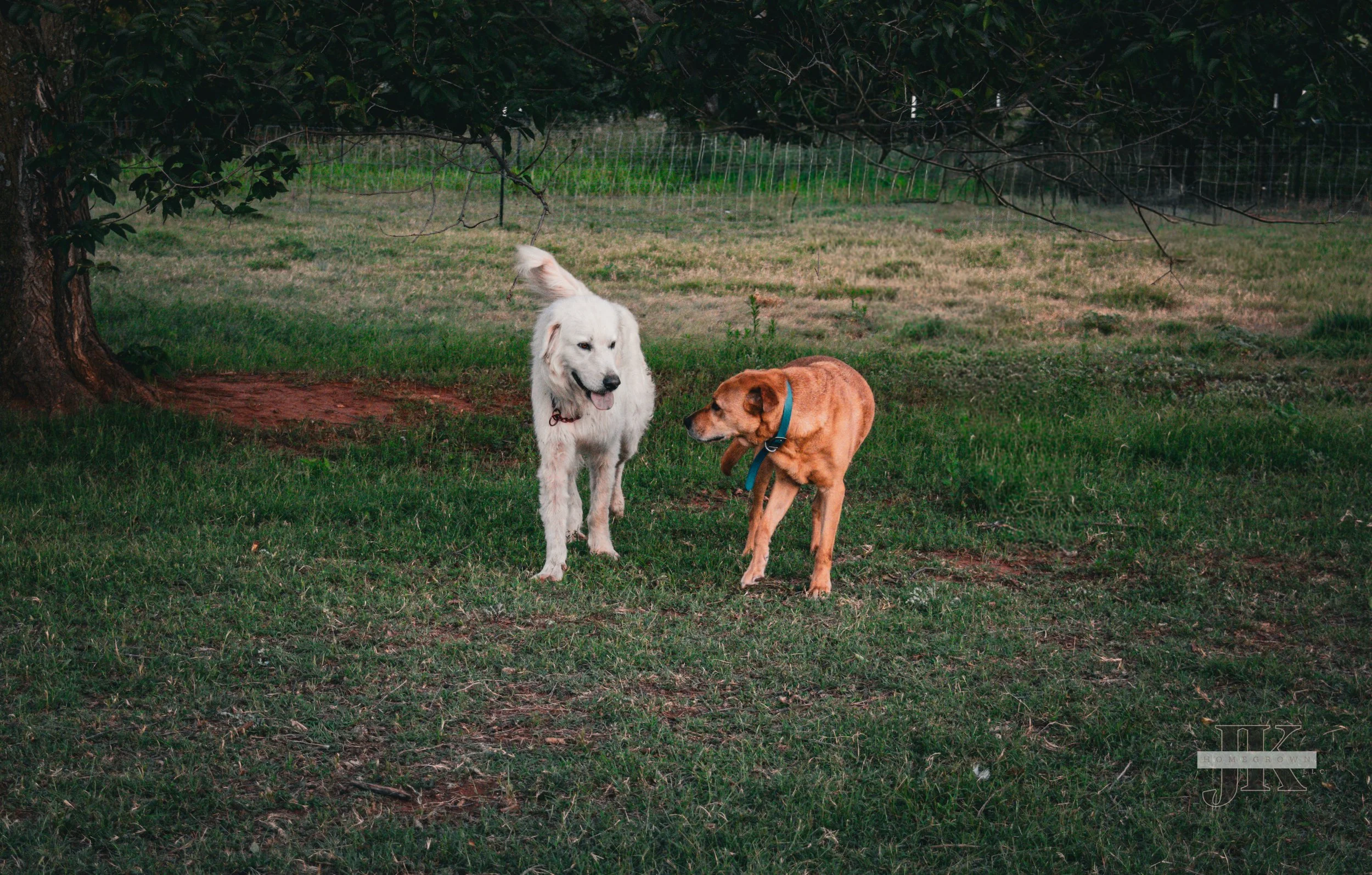
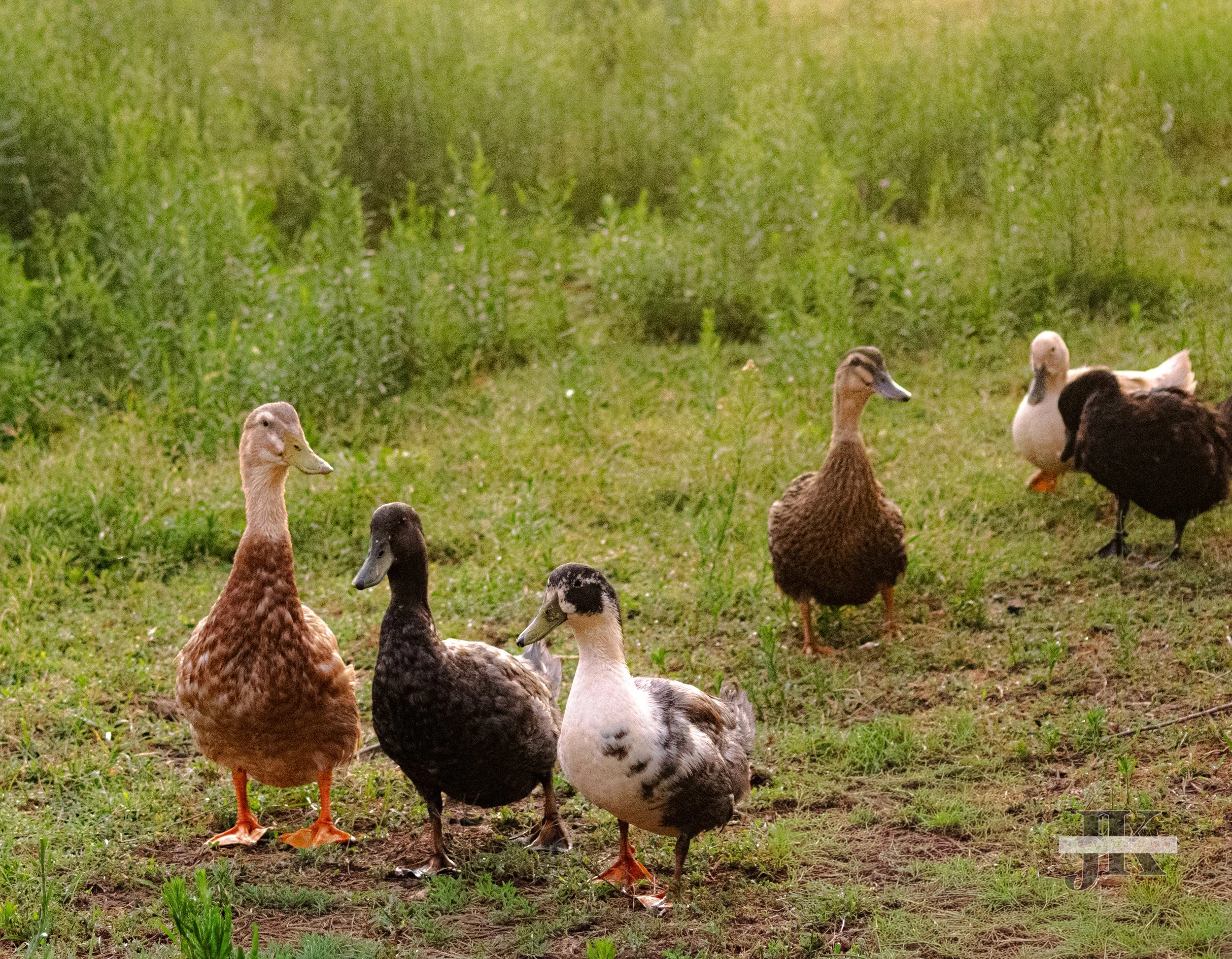
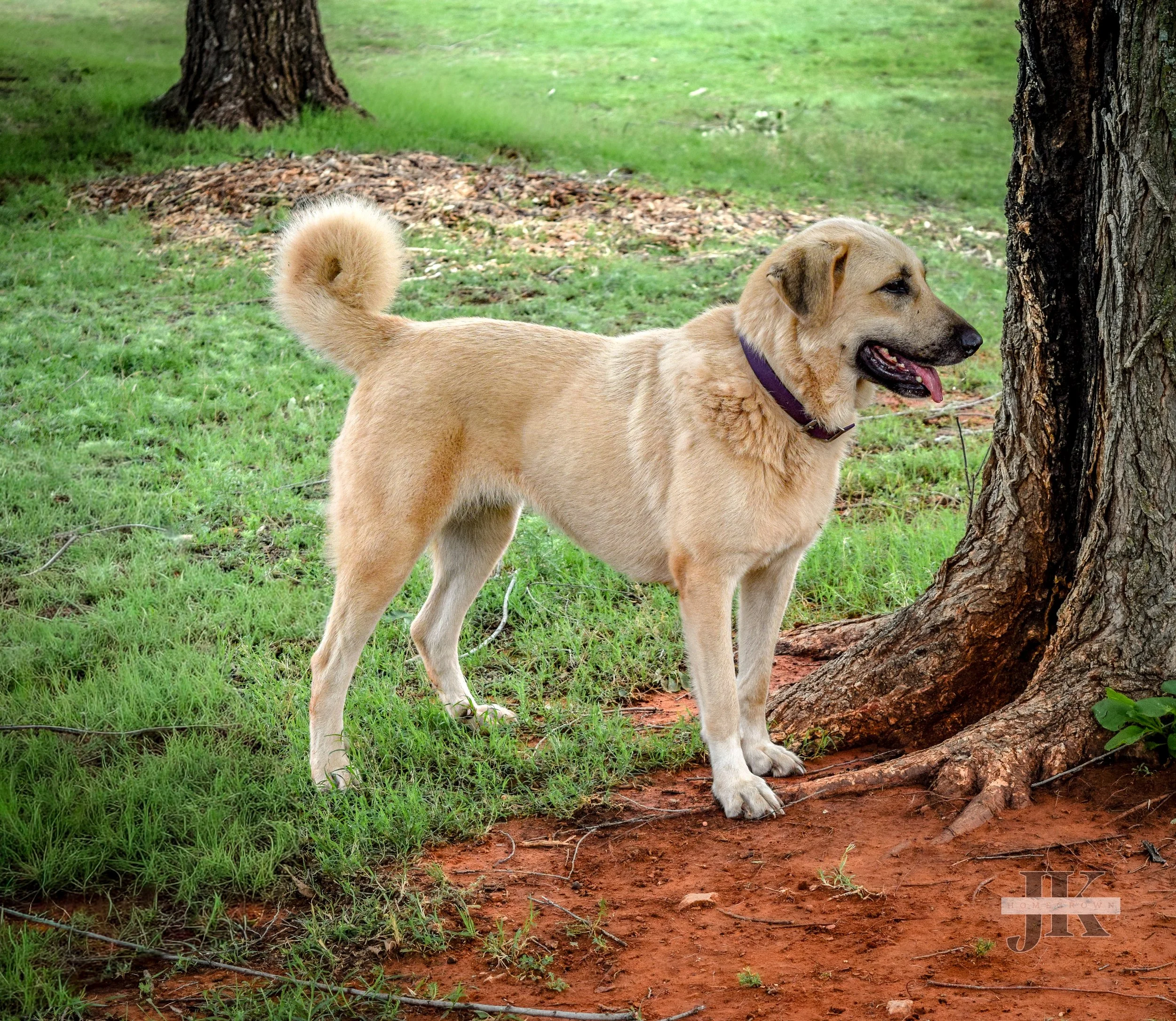
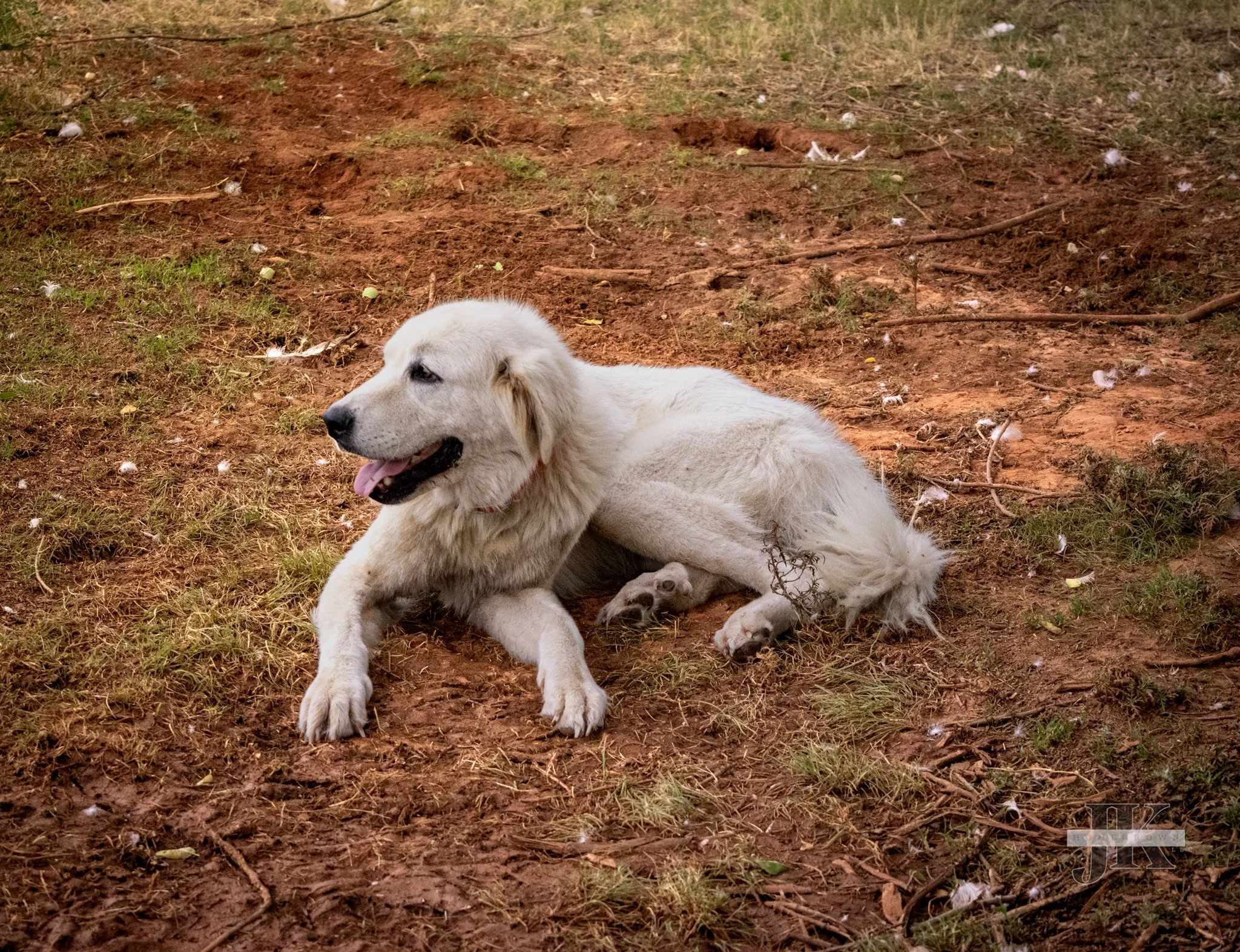
JK Homegrown is an Oklahoma farm that has grown into a conservation and preservation focused operation. What started with a few chickens has expanded into a farm with a variety of poultry and livestock, including ducks, quail, sheep, livestock guardian dogs, and more. Many of these animals are here for their farm utility or production traits, whether that means laying eggs, raising young, foraging, protecting livestock, or simply doing the jobs they were meant to do. As the farm grew, so did my interest in breeding and the preservation of heritage breeds, eventually making conservation and preservation a central part of JK Homegrown’s purpose.
Conservation and Preservation
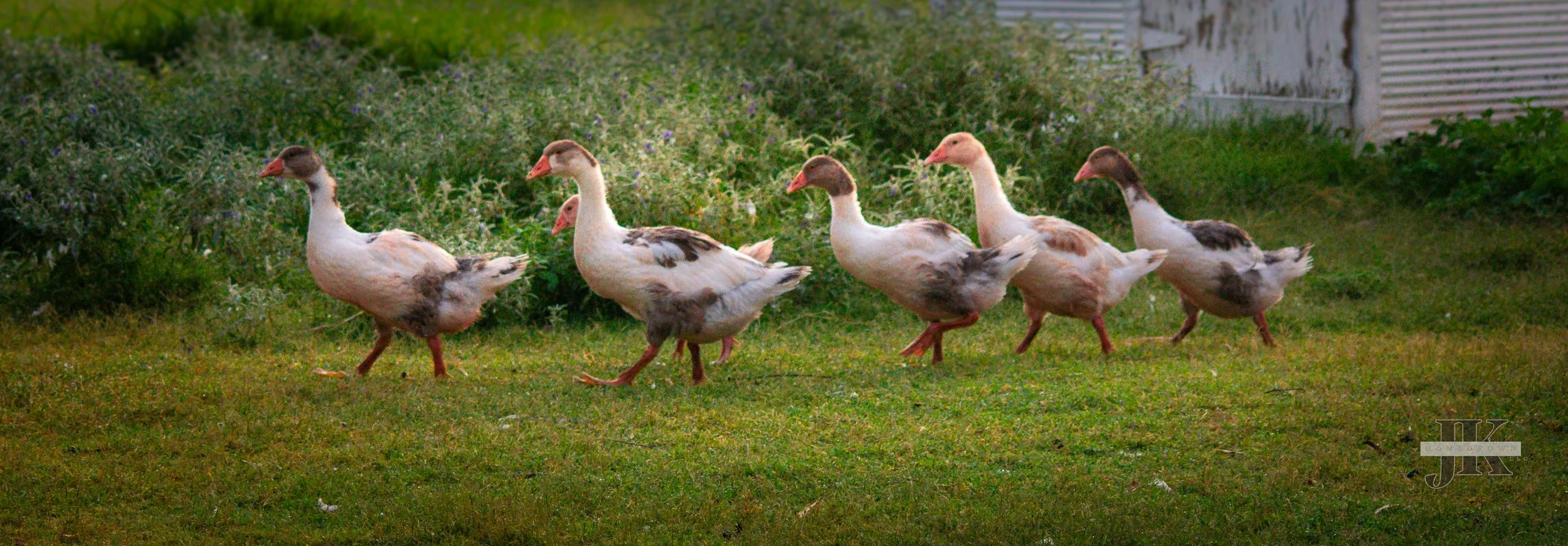
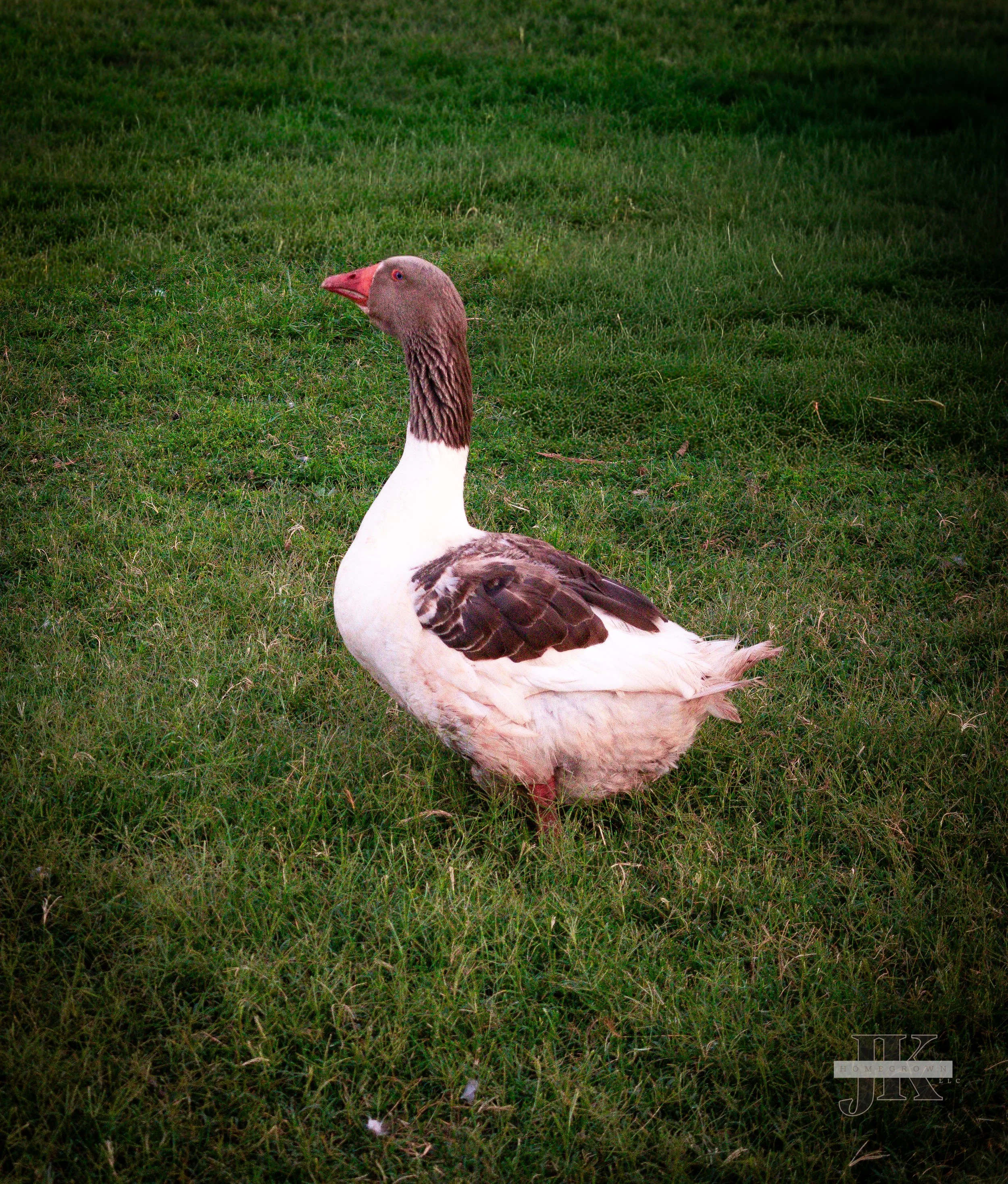
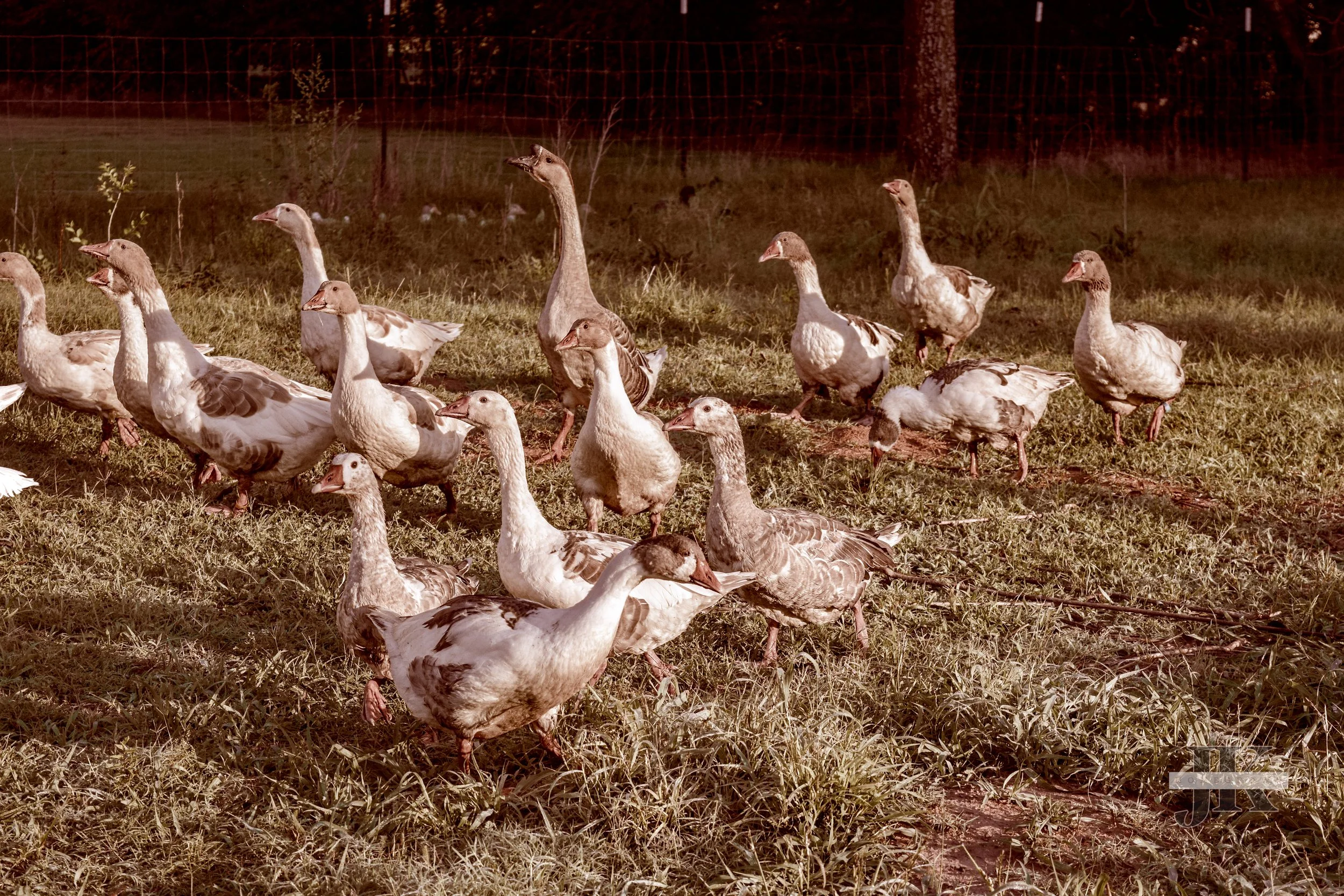
Within the broader farm, my focused conservation and preservation work centers on Pomeranian geese, Cotton Patch geese, and Silver Ameraucana chickens. While I can’t raise every breed on the Conservancy List, when I consider adding a new breed or changing what we raise, breeds on the list get priority consideration.
I am not someone who naturally keeps everything perfectly organized, but I am very good at taking chaos and building systems that make it manageable. That shows up in the way I track bloodlines, plan breeding groups, keep records, and make decisions with each breed’s future in mind.
To me, conservation is not only about keeping a few animals so I can say I own a rare breed. I want these animals to remain healthy, functional, and capable of doing the jobs they were originally developed to do. That means breeding with intention, paying attention to structure and production traits, keeping track of what is working, and placing animals responsibly. Rarity matters, but rarity alone is not enough.
Beyond Breeding
As JK Homegrown has grown, so has the work. Through agricultural photography, educational content, storytelling, and practical resources, I want to help people understand why these animals matter and what preserving them actually requires.
JK Homegrown will continue to grow and evolve, but the purpose behind it stays the same: caring for the animals and land entrusted to me, helping preserve breeds that could otherwise be lost, and sharing what I learn honestly along the way.
-
Conservation is about more than owning a rare breed or producing as many animals as possible. I want the breeds I work with to remain healthy, functional, genetically diverse, and capable of doing the jobs they were developed to do. Rarity matters, but rarity alone is not enough.
That means paying attention to structure, production traits, temperament, fertility, and overall usefulness alongside breed type and genetic diversity. My goal is not simply to maintain a population. It is to help maintain animals that still have a practical place on farms today and can continue to have one in the future.
-
Every animal on this farm is here because I have accepted responsibility for its care, whether it is part of a breeding program, producing food, protecting livestock, or simply filling a useful role within the farm.
Responsible stewardship means making decisions based on what I can realistically support with the land, time, infrastructure, and resources I have available. It also means being willing to change a breeding plan, remove an animal from a program, or decide that something no longer fits the farm when that is the responsible choice.
The goal is not to collect animals. The goal is to build a farm where the animals, land, wildlife, and people involved can all be managed responsibly.
-
Farming and breeding are messy, and I have no interest in pretending otherwise. Not every hatch goes well, not every pairing produces what I hoped for, and not every idea works the first time.
I believe there is more value in being honest about what I am working toward, what is going well, where I am seeing problems, and what I still need to improve. My breeding programs are works in progress, and I expect them to continue changing as I learn more, gather better records, and see the results of the decisions I make.
I would rather show the real process than create the impression that everything on the farm is perfect.
-
I have a lot of ideas, and JK Homegrown will continue to grow, but I do not want growth simply for the sake of being bigger.
When I consider adding a new breed, service, product, or project, I want it to earn its place. Does it serve a purpose? Does it support conservation, preservation, education, or the practical function of the farm? Do I have the time, land, money, and infrastructure to do it well? Does it strengthen something JK Homegrown is already building, or does it just create another disconnected project?
The goal is to build something sustainable. I want JK Homegrown to grow through thoughtful decisions, useful systems, and projects that support one another rather than by continually adding more animals, more work, and more chaos.
How We Farm
Our Conservation & Preservation Breeds
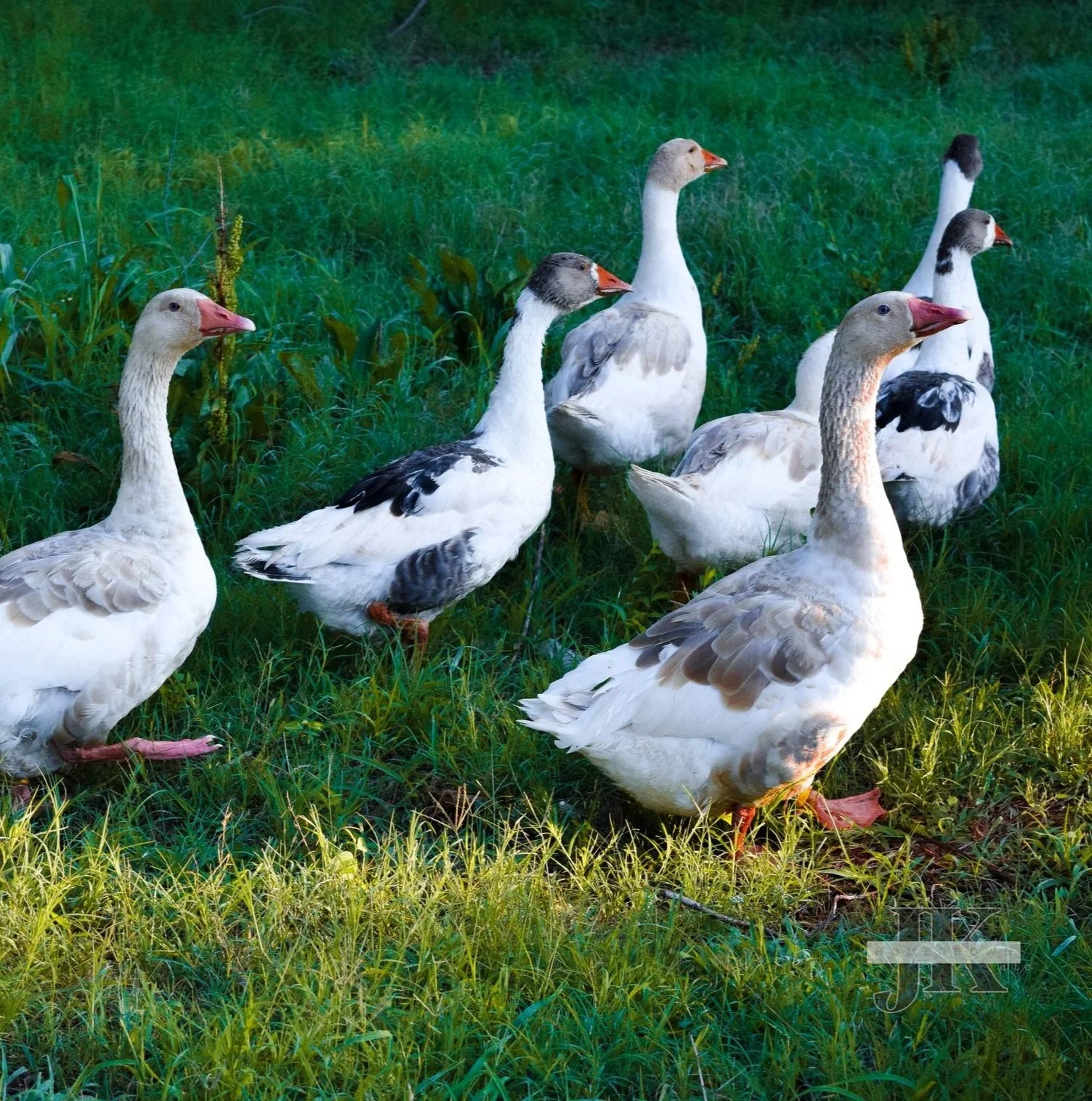
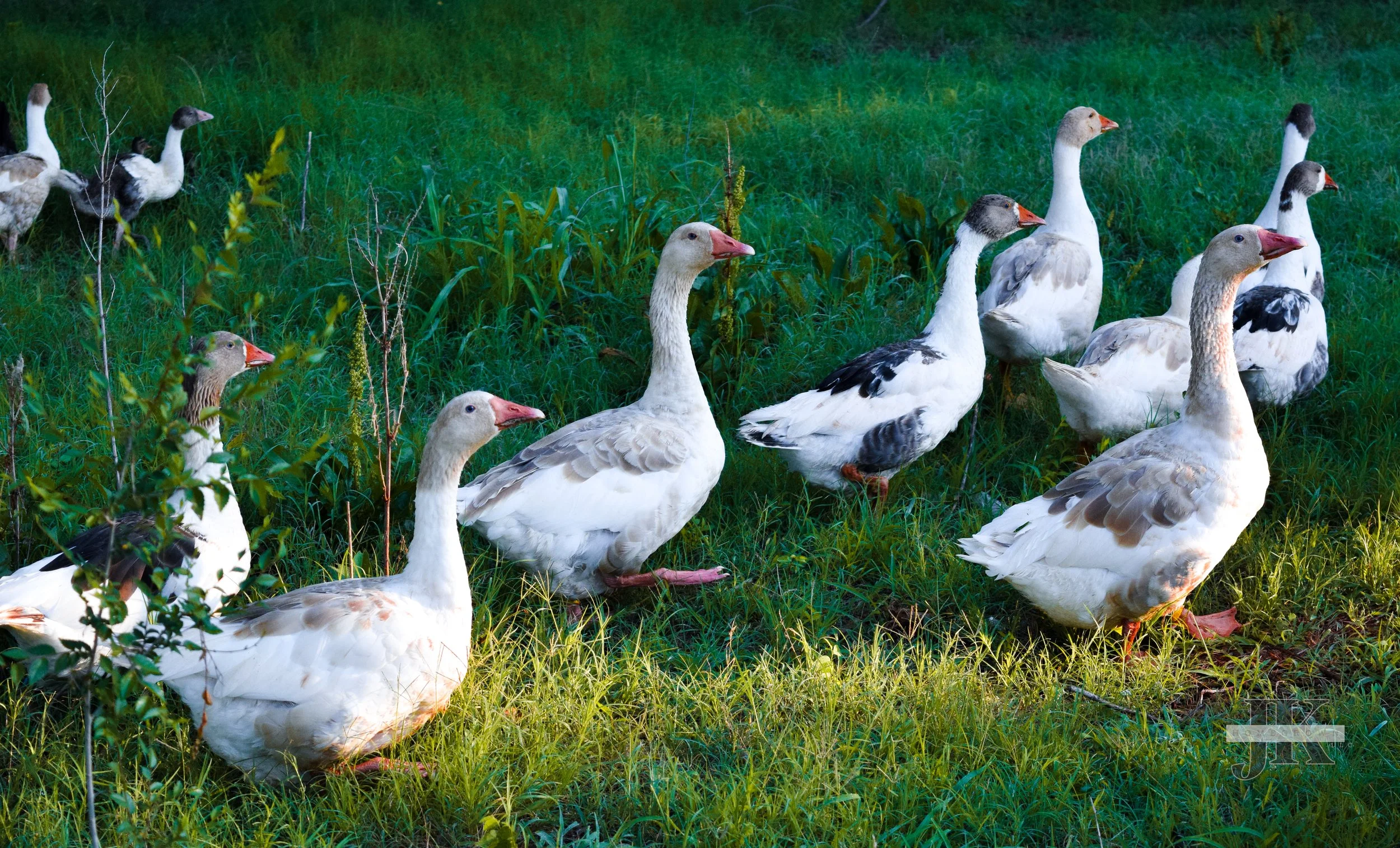
Pomeranian Geese
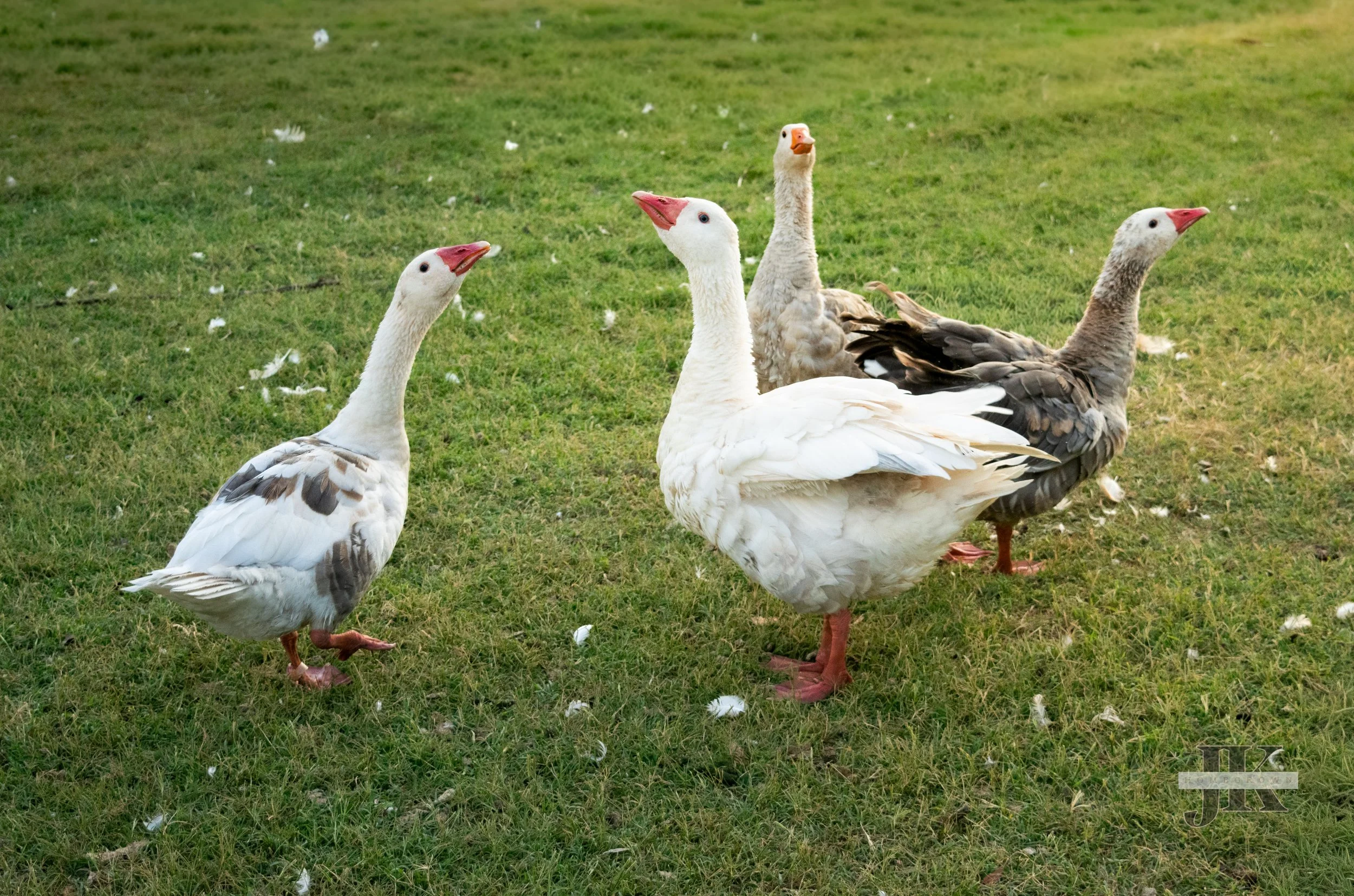
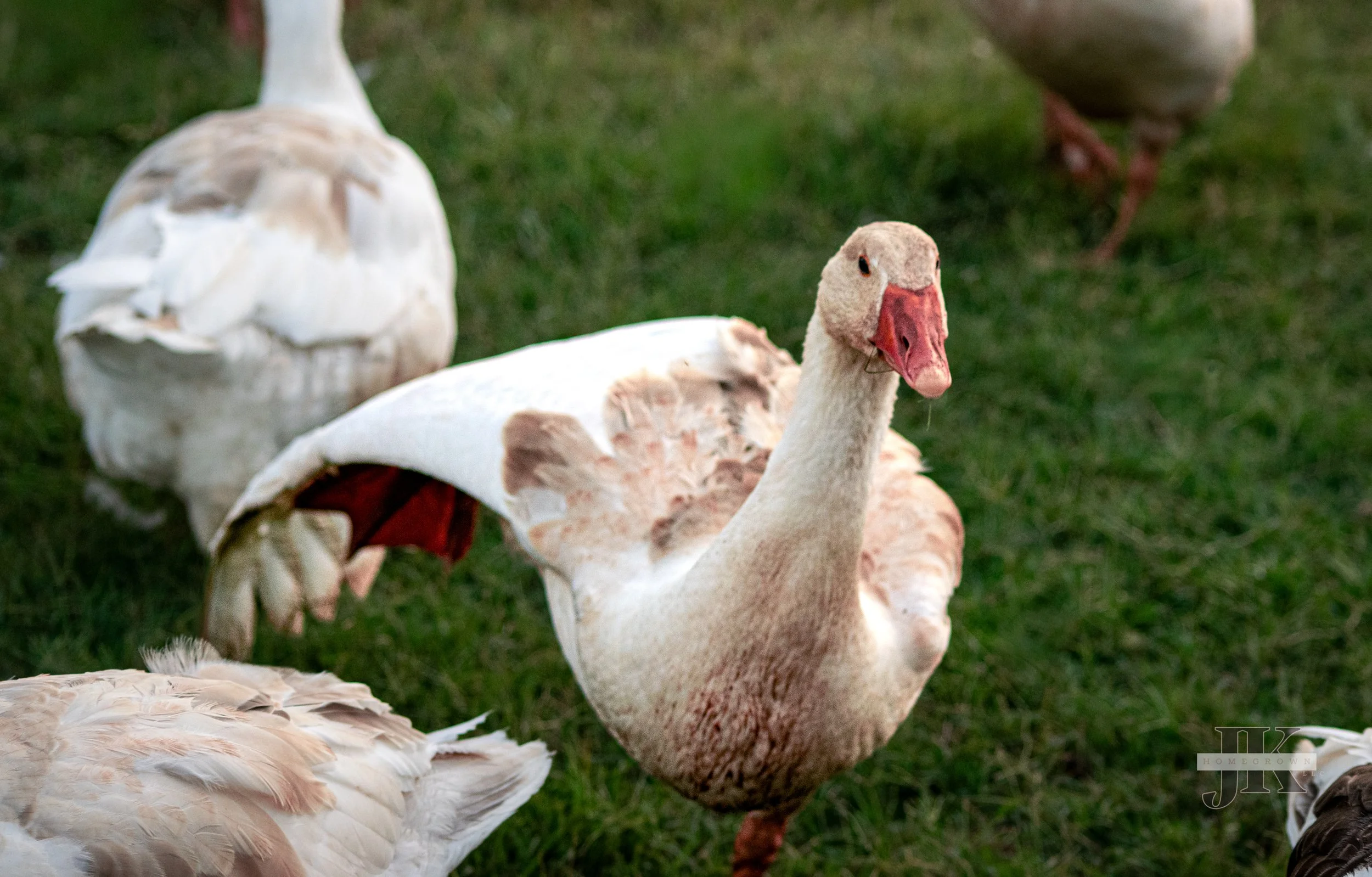
Pomeranian geese are what started my journey into livestock conservation. They were the kick in the ass that shifted JK Homegrown from a homestead-oriented farm into the conservation farm it is today and continues to grow into. Within the next five years, my goal is to build a primary breeding flock while maintaining genetic diversity and continuing to improve the type and patterning of the birds I produce.
Critical per The Livestock Conservancy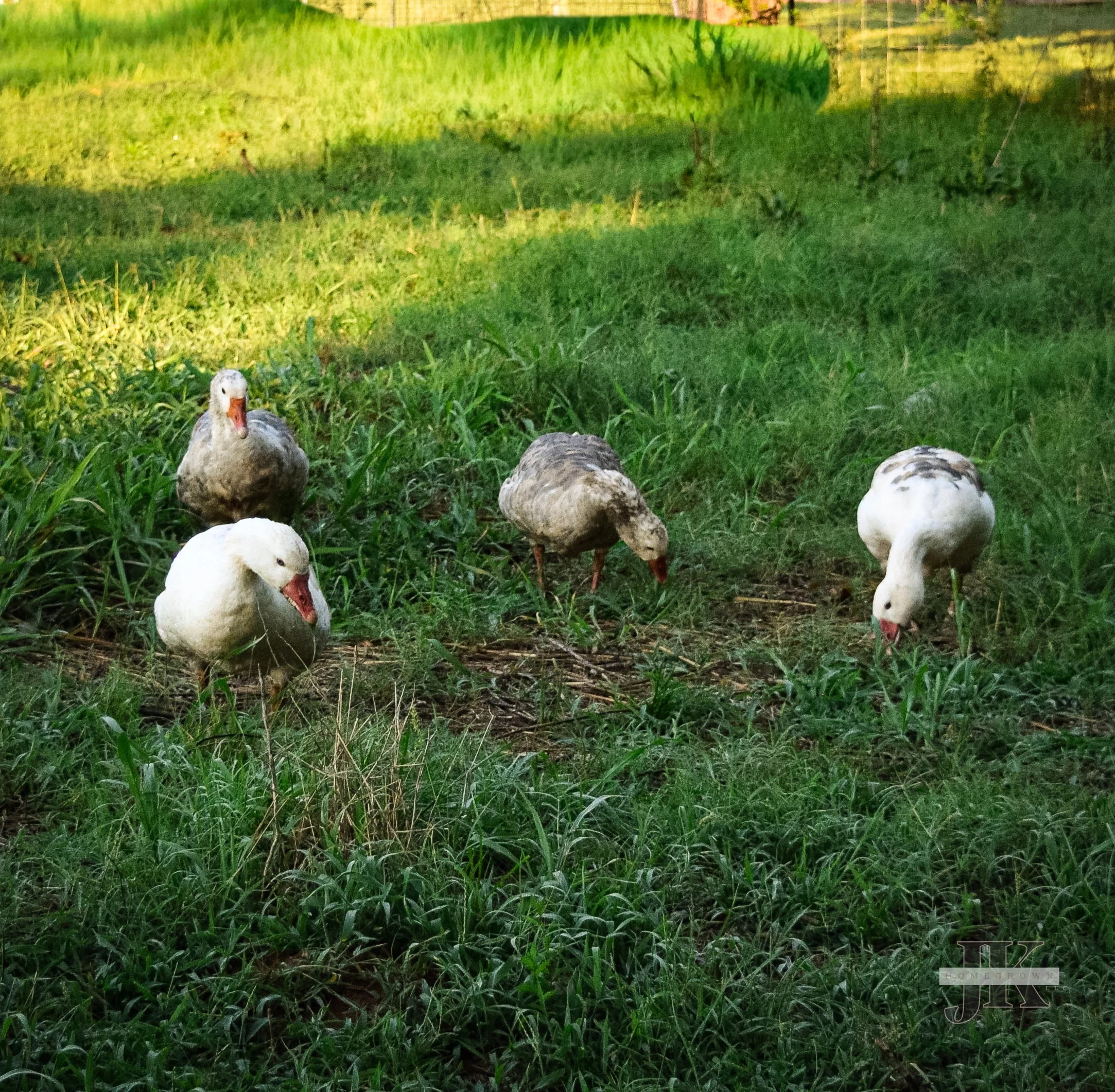
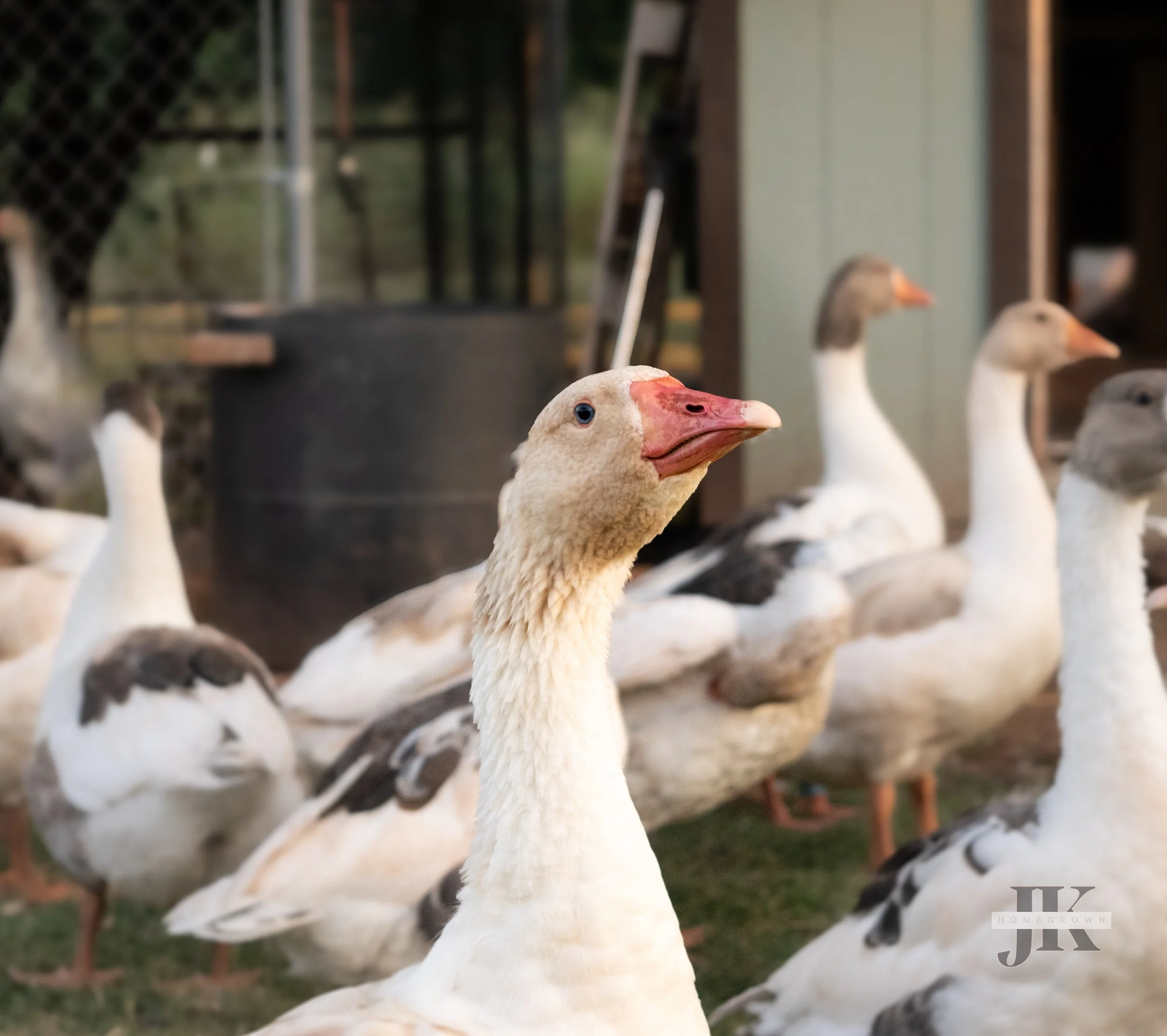
Cotton Patch Geese
Cotton Patch geese were one of the breeds that made me start looking more seriously at livestock conservation. I maintain a small flock that serves partly as a genetic seed bank for a friend’s larger breeding program, but I also keep them because I genuinely appreciate the breed and the role these little geese have held on American farms. They may not be one of my largest programs, but keeping even a small, genetically useful flock can still contribute to the breed’s future.
Threatened per The Livestock Conservancy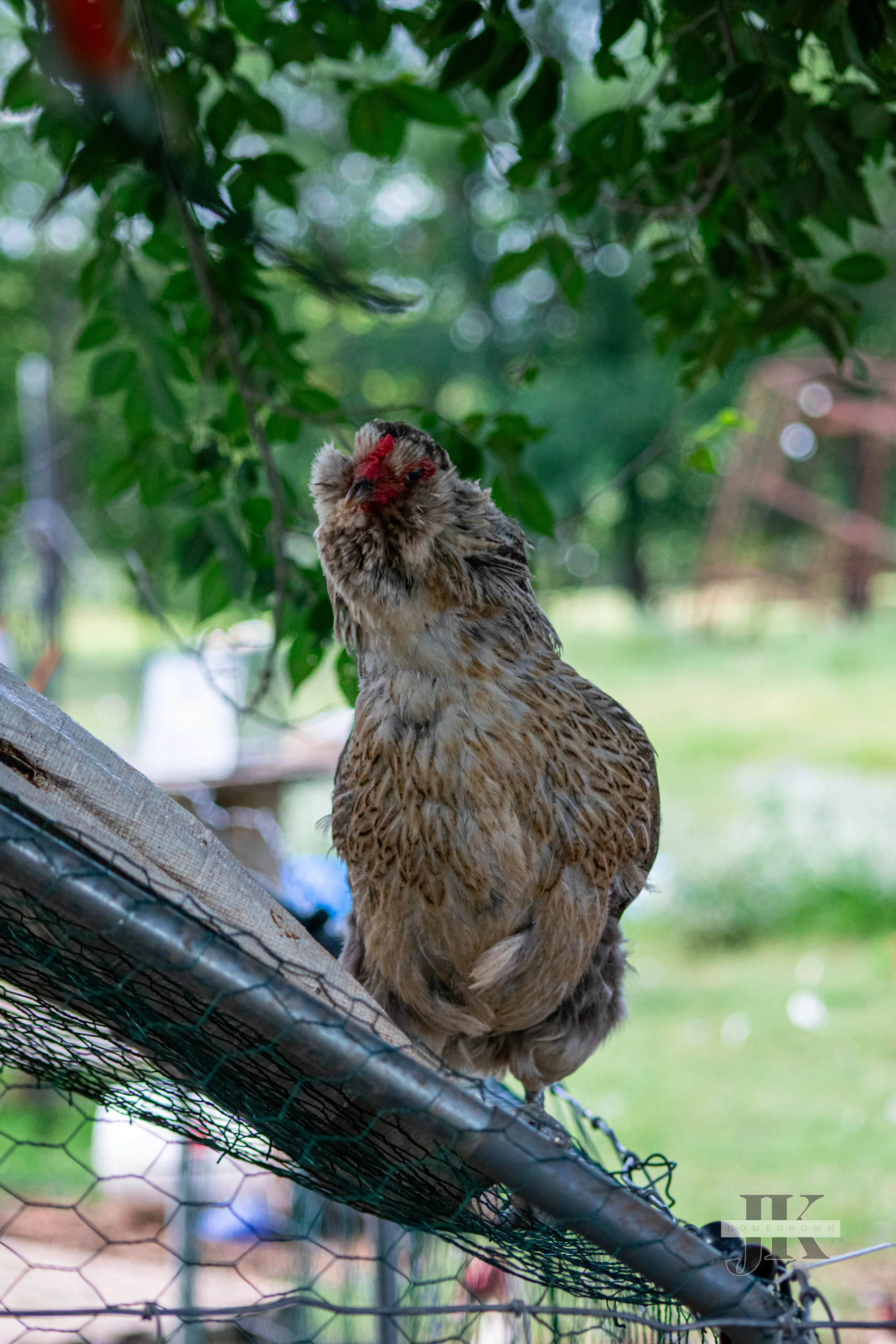
Silver Ameraucana are my passion variety and one of my primary preservation projects. Ameraucana are not part of the Livestock Conservancy list, which is one of the reasons I describe JK Homegrown as both a conservation and preservation farm. A breed or variety can still become difficult to find or lose quality even when the breed as a whole has a larger population. My foundation Silver flock came directly from Steve Neumann, and this project is a major reason I am still raising chickens instead of disappearing completely into the world of geese.
Preservation Project - Not Listed by The Livestock ConservancySilver Ameraucana Chickens