Our Sheep
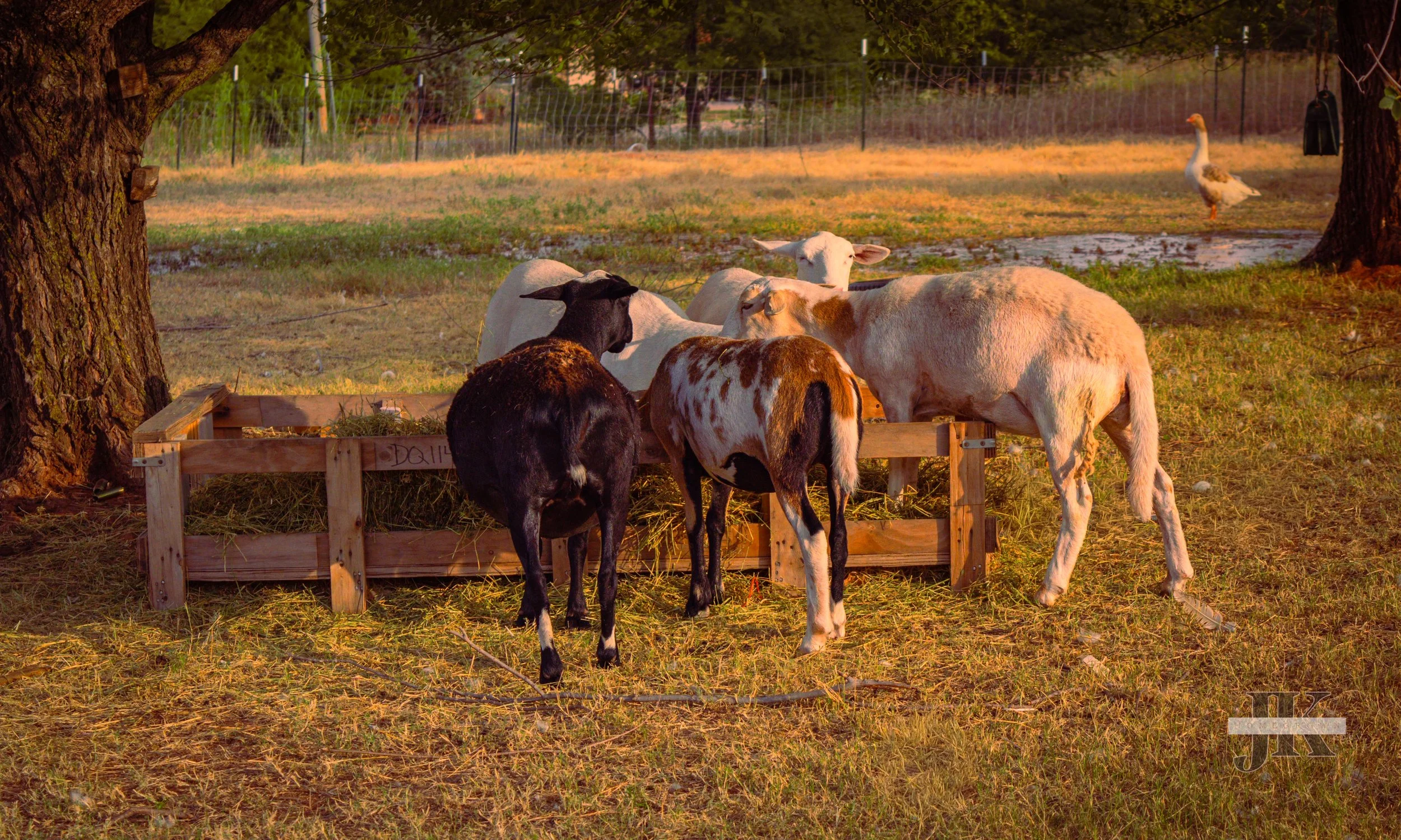
I brought home my first sheep in July 2025, and, well, just like with the chickens, I absolutely fell in love with these animals. It wasn’t easy though. I had zero experience with sheep or even goats at that point, and my first loss was rough. I didn’t let that stop me. I knew I could do this, and I knew it was worth it.
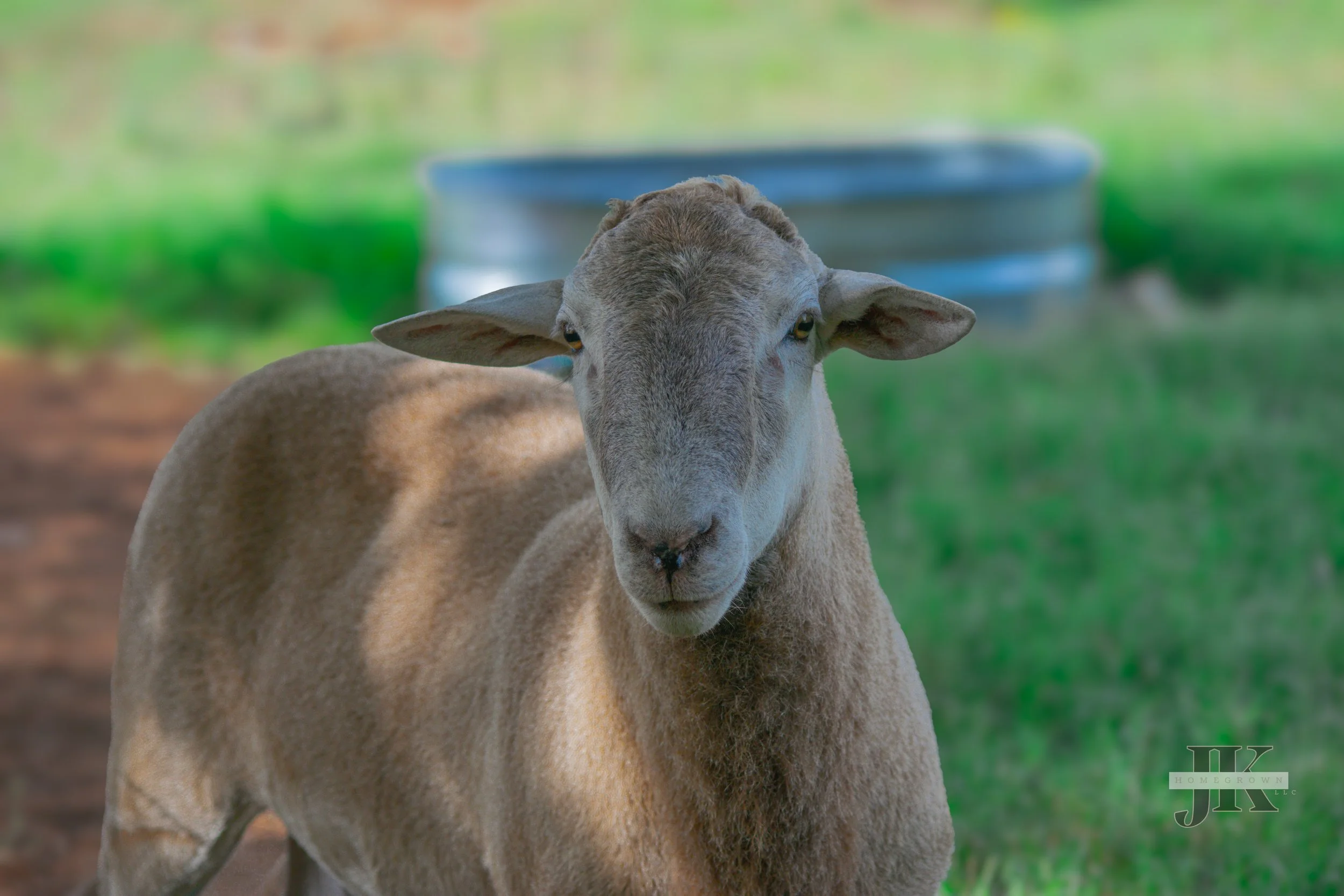
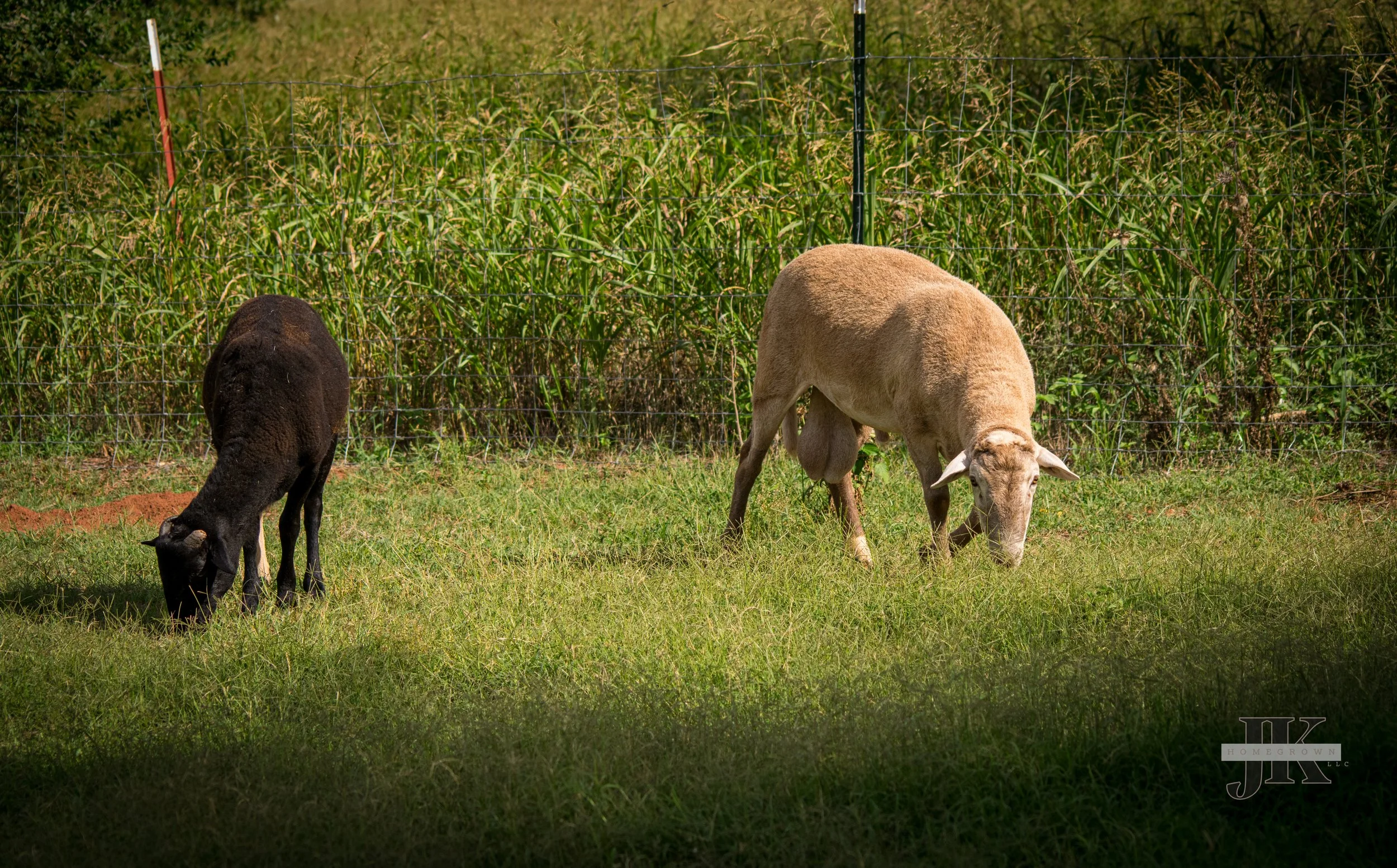
I raise a small flock of commercial Katahdin-cross hair sheep for meat for both my family and yours. They are raised on pasture with minimal medications. I do feed grain during parts of the year and for finishing, but my sheep are built on grass.
One day, I want to add a conservation breed that can do well in Oklahoma, but this is just the first step in my journey as a shepherdess.
Structure & Function
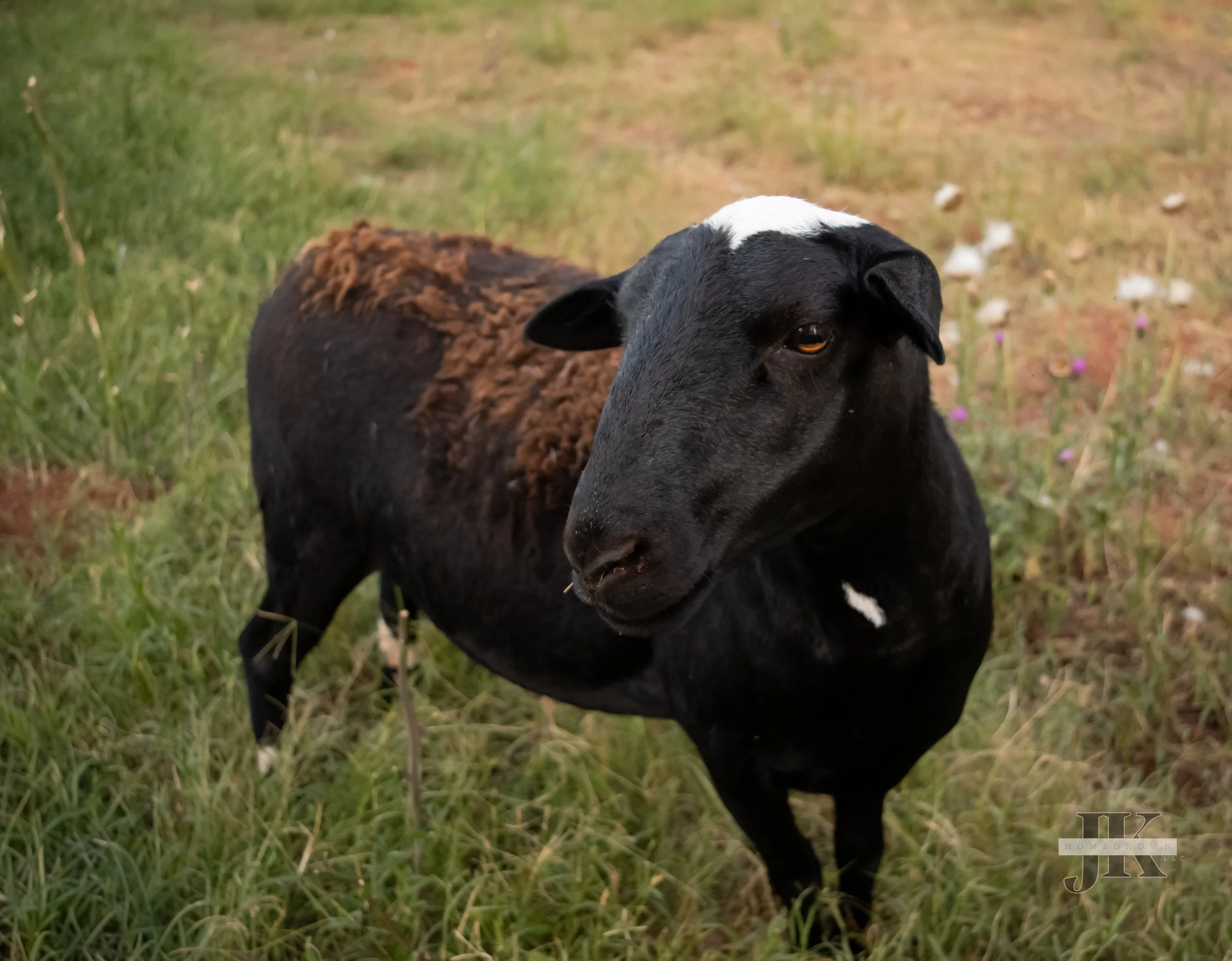
I want sheep that are built to do their job. Sound feet and legs, good overall structure, functional reproductive anatomy, and a body capable of maintaining itself on pasture all matter. An animal can be beautiful, but if its structure makes it harder to stay healthy, breed, lamb, or move comfortably, that matters more to me than appearance.
Since my commercial flock is made up of Katahdin crosses, I grade my animals mostly based on the Katahdin Breed Standard, with certain exceptions to account for their Dorper and St. Croix genetics.
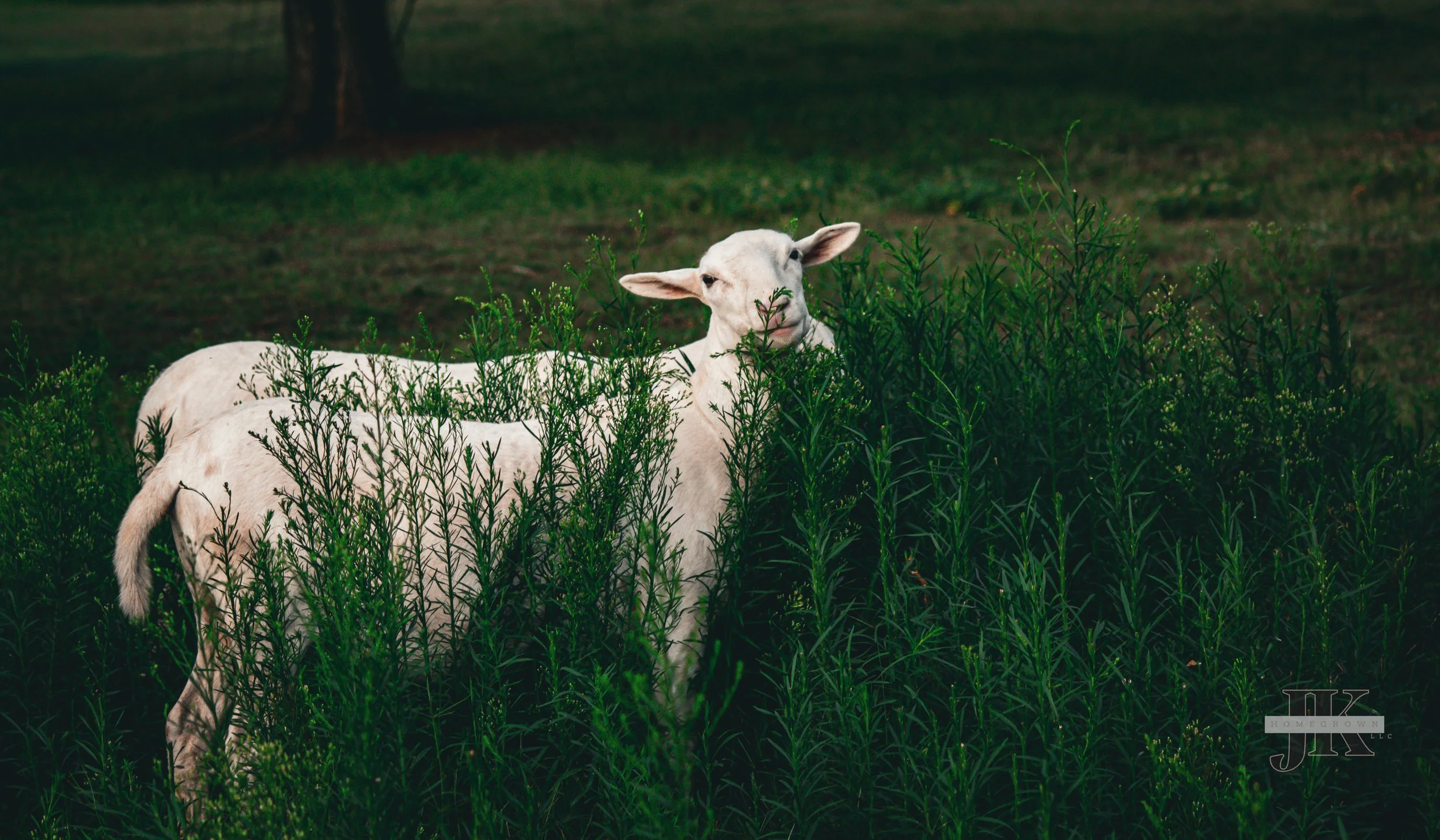
Parasite Resistance & Vigor
Parasites are a reality when raising sheep, but I pay attention to which animals consistently need more intervention than the rest of the flock. Treatment is given when it is needed, but long term I want sheep that stay healthy, maintain condition, and thrive under the same management as their flock-mates.
When I notice a lamb or sheep struggling more than its peers with parasites or staying in condition on the same forage and care regimen, I rule out acute causes first, then decide from there. Animals that do not pass the parasite test are harvested for my family or for dog food only. These animals are never sold live or as meat shares.
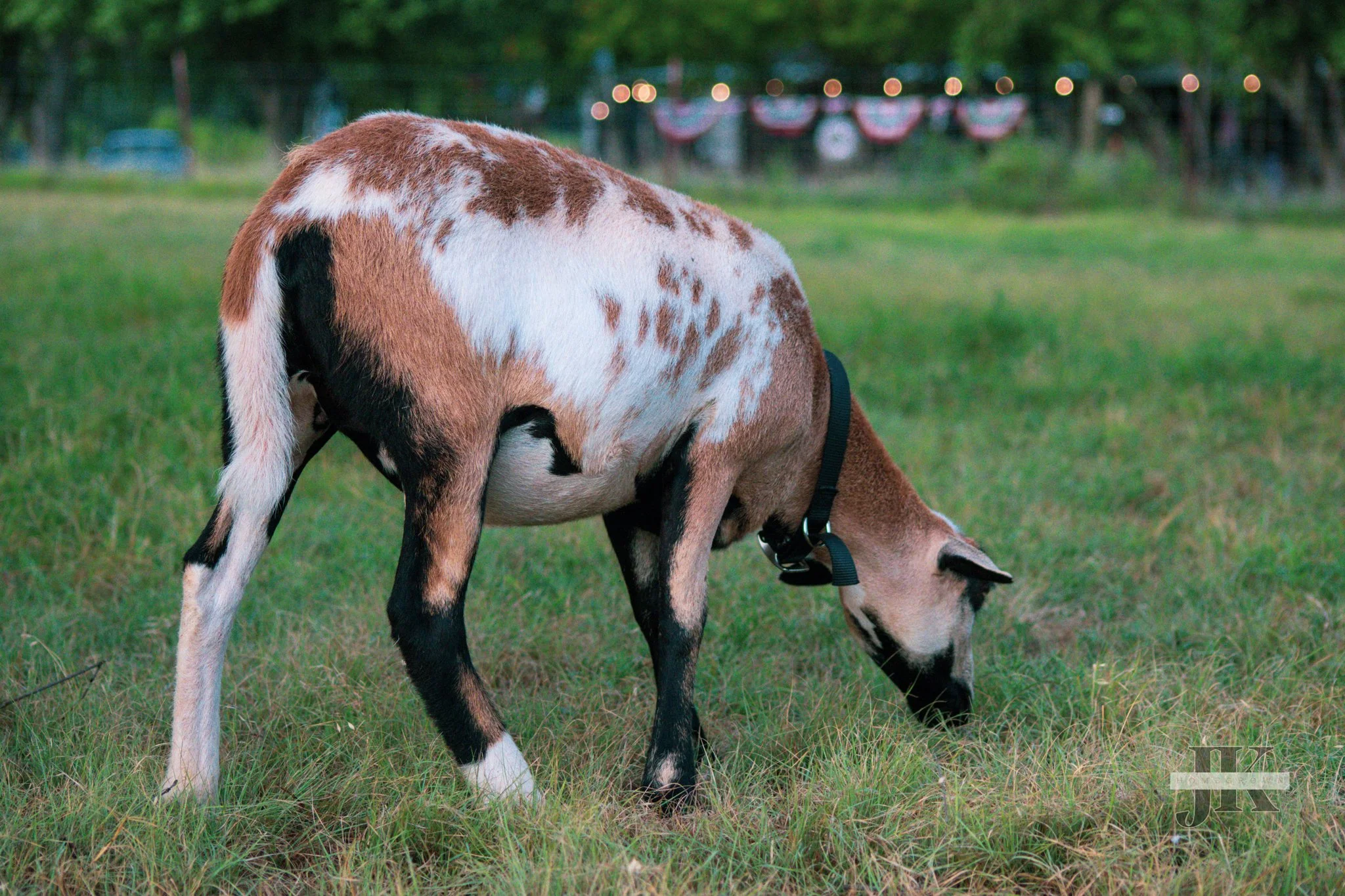
Maternal & Production Traits
Ewes need to breed, lamb, raise their babies, and produce enough milk to grow strong lambs. Rams need to contribute growth, soundness, fertility, and the traits I want to carry forward. I am raising sheep for production, so reproductive performance and the ability to raise useful, healthy lambs are a major part of my selection decisions.
I do not want consistent triplets or singletons; healthy twins are my main goal. Ewes get two consecutive years to prove that something was a one-off, like needing help lambing, rejecting a lamb, and/or not producing enough milk to feed her lambs. Likewise, the rams are given grace on their performance to ensure that it isn’t a one-off issue or something acute going on.
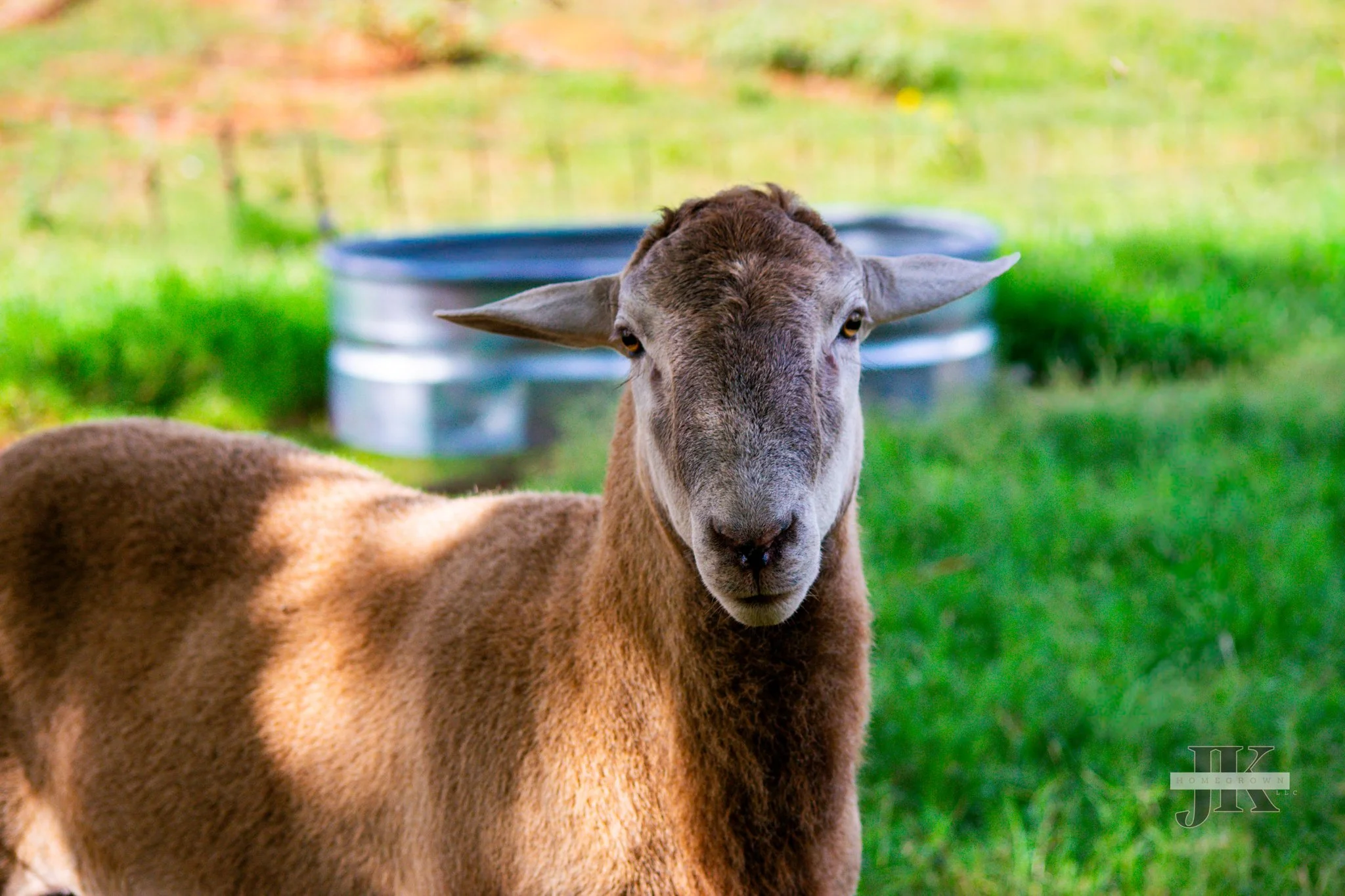
Temperament & Practical Management
I spend too much time working around these animals to keep sheep that are unnecessarily difficult or dangerous. I want animals that are alert and capable without being impossible to handle. Temperament, ease of management, shedding ability, and how well an animal fits into the day-to-day reality of the farm all influence whether I want that sheep in the long-term flock.
Aggression is always a no go for me, an aggressive ram or ewe tastes just as good as a nice one, and then I get injured less.
Shedding is also a heavy selection point for me. I keep records on how well each animal sheds and how quickly. Animals that need shearing or clipping assistance in consecutive years must contribute enough elsewhere to compensate for the extra effort and not pass that trait on to more than 25% of their offspring.
Lamb Availability
Lambs are available seasonally from our commercial Katahdin-cross flock. Availability will vary based on lambing, grow-out evaluations, and which animals I retain for the breeding program. Breeding prospects, production animals, and pet/companion placements may be available depending on the individual lamb.
Available Lambs
-
![]()
Fall 2026 Lambs - Coming Soon!
All five of our ewes are due this fall, with lambing dates staggered from September through November.
Follow along on social media for lamb updates! -
![]()
2027 Lambs
Roosevelt will be paired with ewes for late-fall lambs.
-
![]()
2028 Lambs
Breedings are not yet planned. Check back in 2027 for updates.