STEWARDSHIP
PRESERVATION
Old Breeds. Real Purpose.
ABOUT OUR CONSERVATION EFFORTS
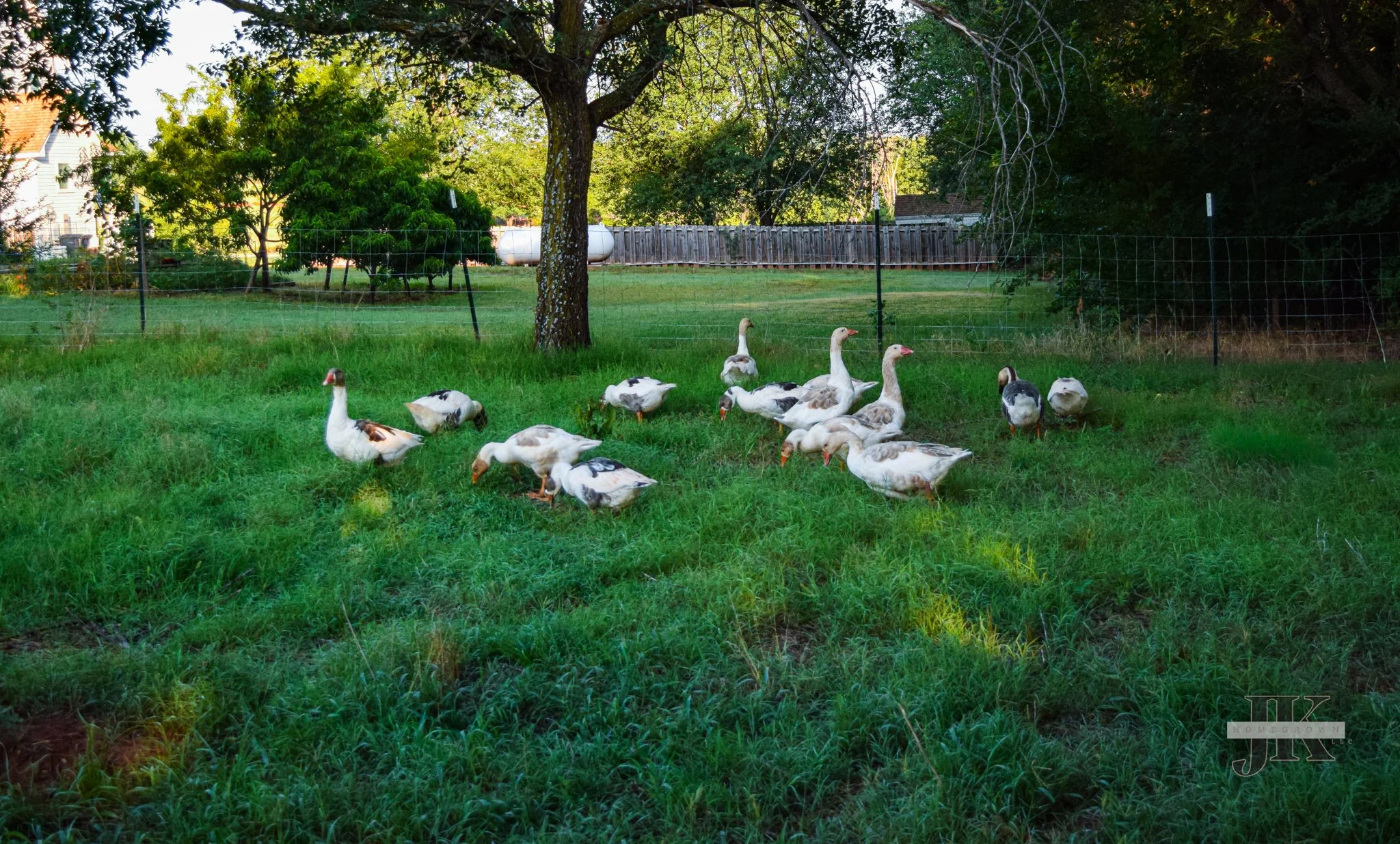
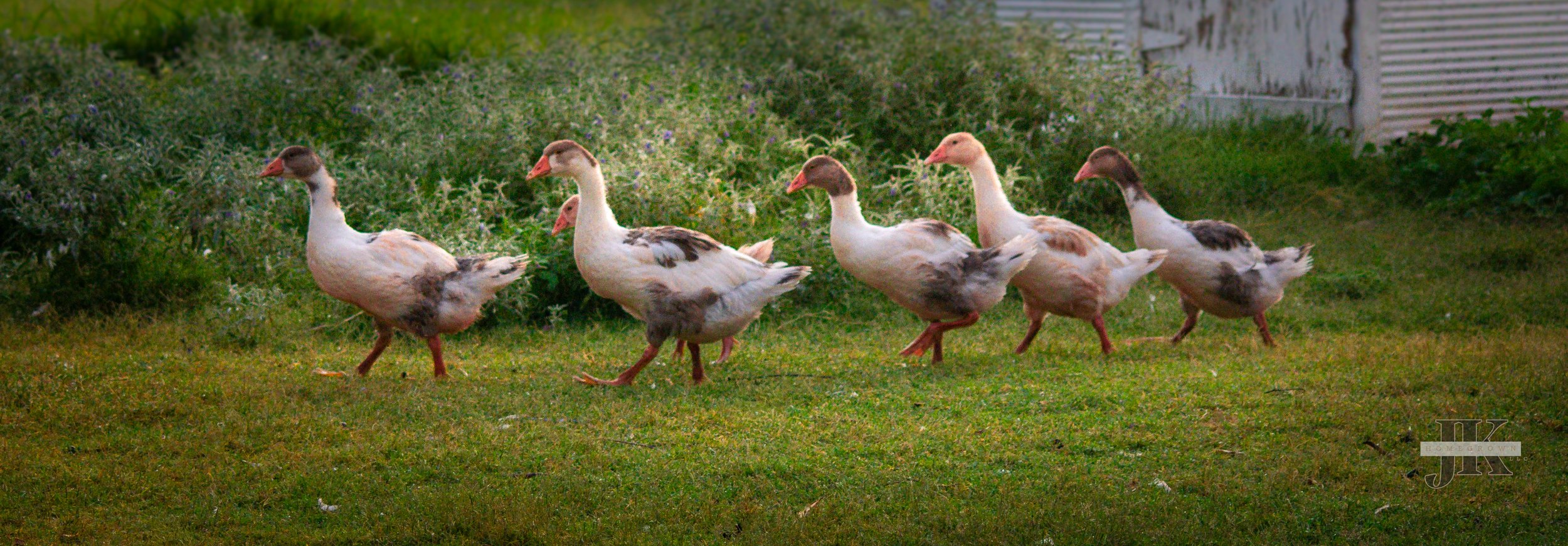
At JK Homegrown, conservation means more than owning rare breeds. My goal is to maintain healthy, functional populations, preserve useful genetics, and make thoughtful breeding decisions that give these breeds a real place to continue into the future.
The breeds featured in this program are part of agricultural history, but they are not kept here as museum pieces. They are evaluated, managed, and bred with purpose.
That means looking at the whole animal, not just the name of the breed. I pay attention to structure, productivity, hardiness, temperament, fertility, mothering ability, and whether the animal can still do the job it was originally meant to do.
Conservation work is slow, practical, and often imperfect. It requires record keeping, selection, patience, and a willingness to make hard decisions. The goal is not simply to produce more animals. The goal is to produce better animals, maintain genetic diversity where possible, and place breeding stock responsibly.
For me, preserving livestock is part stewardship, part education, and part long-term responsibility. These breeds have survived because people kept choosing to continue them. JK Homegrown is one small part of that continuation.
Preserve the Breeds
✦
Protect the Purpose
✦
Continue the Work
✦
Preserve the Breeds ✦ Protect the Purpose ✦ Continue the Work ✦
Our Pillars of Conservation
-

Maintain Genetic Diversity
Breeding groups and pedigrees are managed with long-term population health in mind rather than repeatedly breeding only the most visually desirable animals.
-

Preserve Function
Heritage livestock were developed to do a job. Health, fertility, structure, productivity, hardiness, temperament, and other functional traits remain part of selection.
-

Breed With Intention
Conservation does not mean breeding every animal simply because it belongs to a rare breed. Breeding decisions still require evaluation, selection, and responsible culling.
-
Share the Breed
A breed survives when there are breeders, productive animals, and genetic diversity distributed across multiple flocks and herds. Conservation doesn't only happen in large breeding programs. It happens in backyards and on small farms across the country, one flock at a time.
Conservation Breeds at JK Homegrown
-
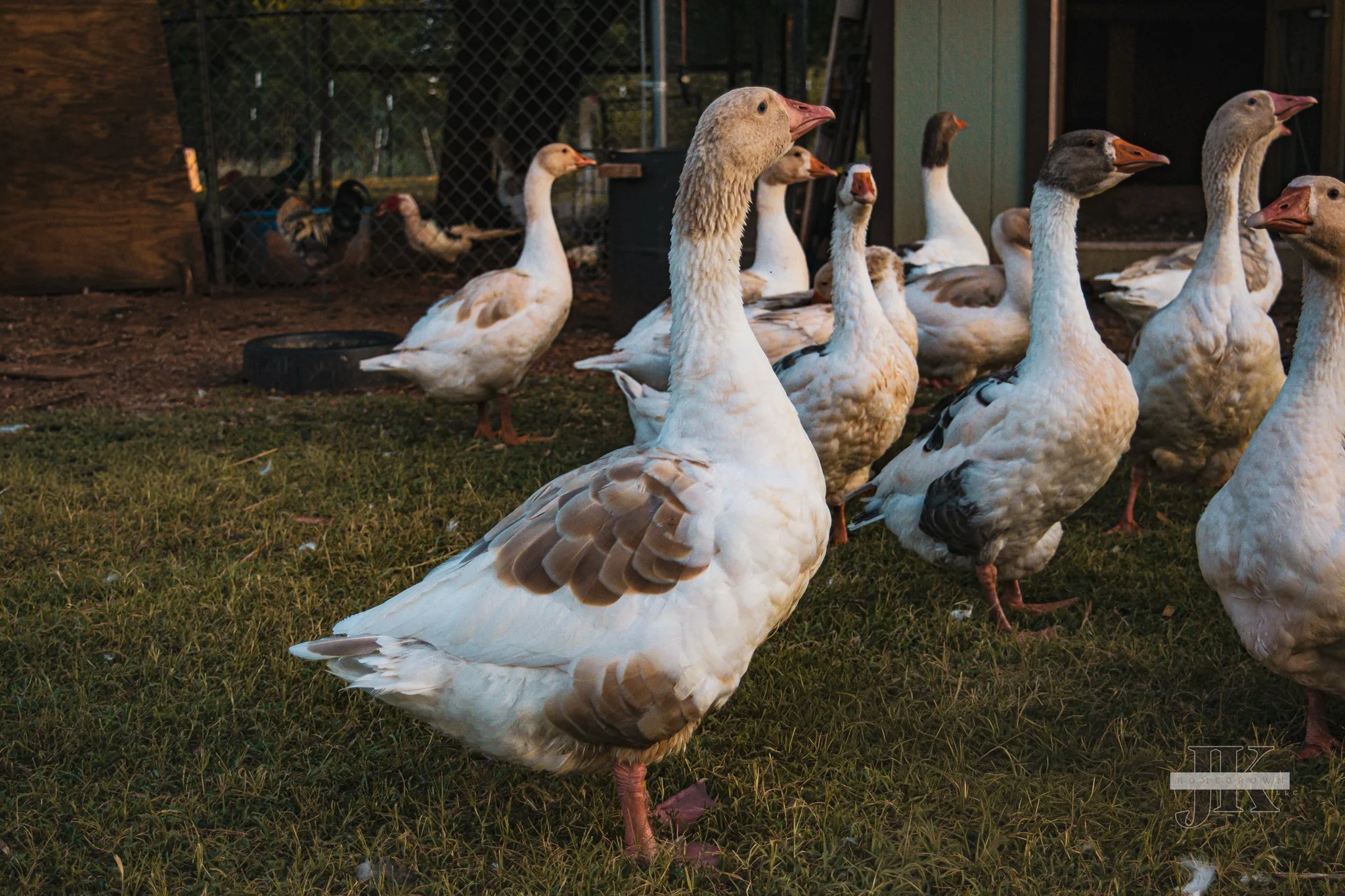
Pomeranian Geese
Conservancy Status: Critical
JK Homegrown Flock Size: 22 birds -
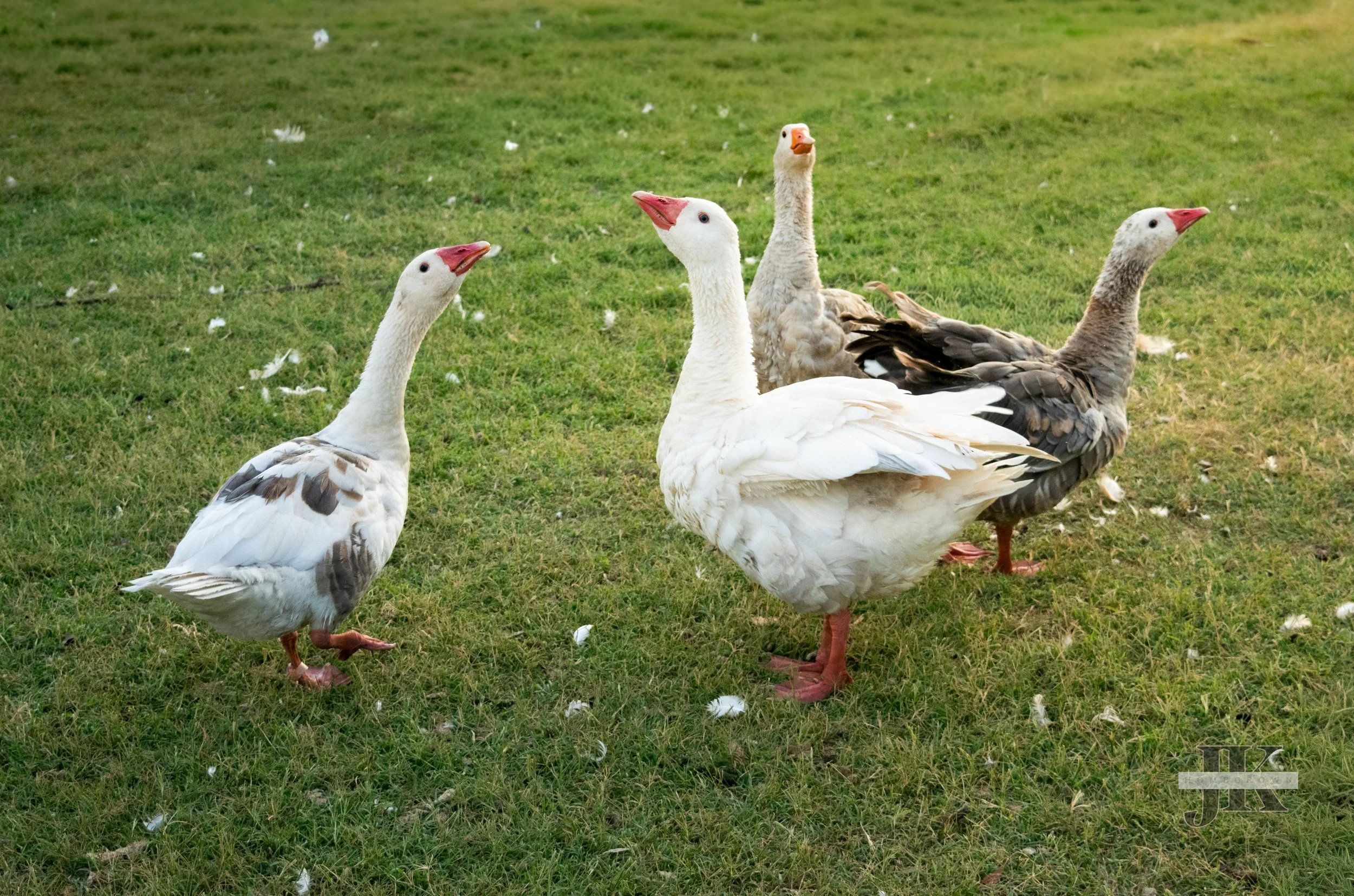
Cotton Patch Geese
Conservancy Status: Threatened
JK Homegrown Flock Size: 4 birds -
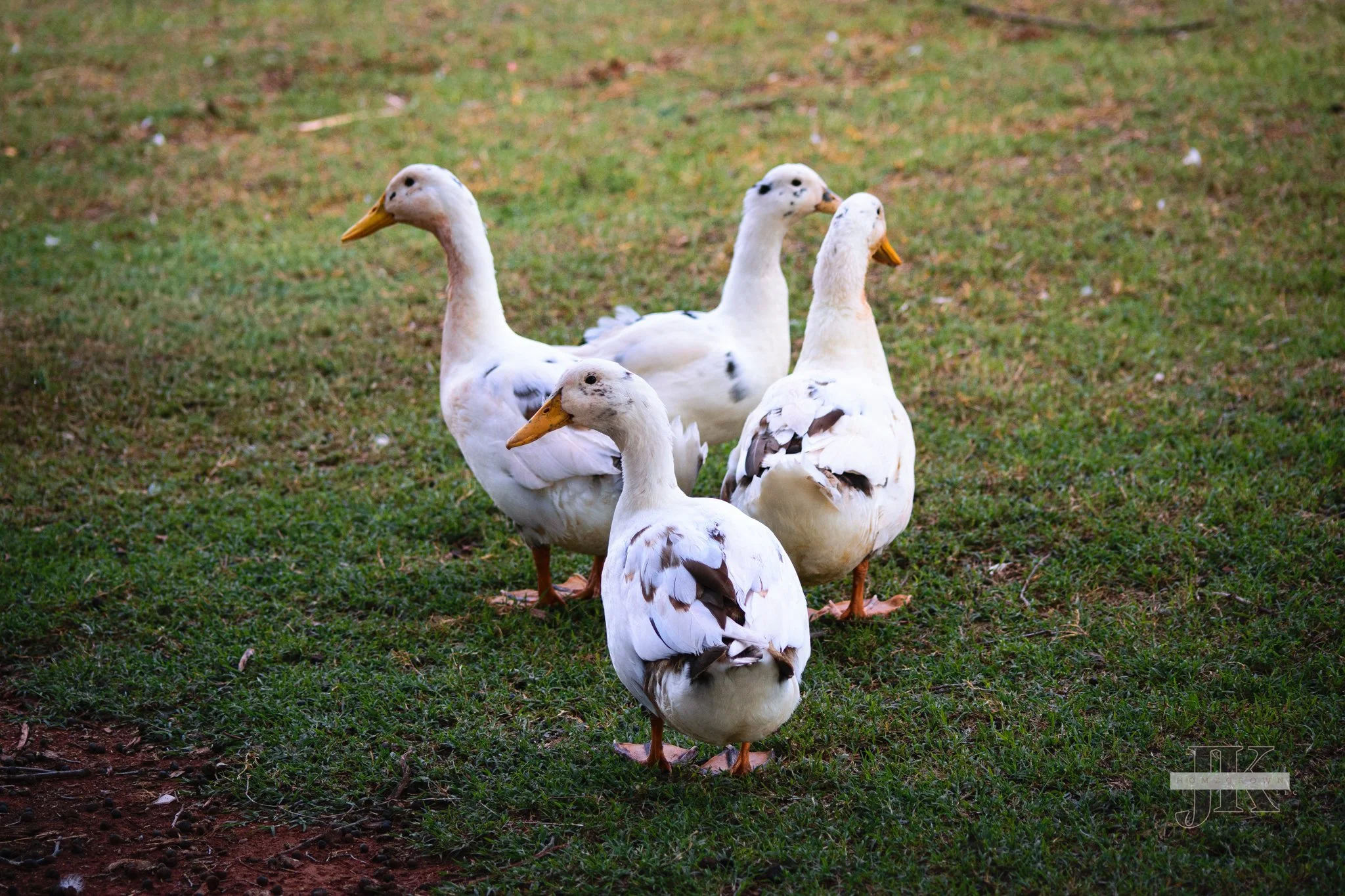
Ancona Ducks
Conservancy Status: Watch
JK Homegrown Flock Size: 4 birds
What Do the Conservation Ratings Mean?
Critical:
Breeds with fewer than 200 annual registrations in the United States and an estimated global population of less than 500.
For rabbits, fewer than 50 annual registrations in the U.S., estimated global population less than 500, fewer than 150 recorded at rabbit shows in the previous 5 years, and 10 or fewer breeders.
For poultry, fewer than 500 birds in the U.S., with five or fewer primary breeding flocks (50 birds or more), and an estimated global population less than 1,000.
Threatened:
Breeds with fewer than 1,000 annual registrations in the United States and an estimated global population of less than 5,000.
For rabbits, fewer than 100 annual registrations in the U.S., and estimated global population less than 1,000, fewer than 300 recorded at rabbit shows in the previous 5 years, and 11-30 breeders.
For poultry, fewer than 1,000 breeding birds in the U.S., with seven or fewer primary breeding flocks, and an estimated global population less than 5,000.
Watch:
Breeds that present genetic or numerical concerns or have a limited geographic distribution, with fewer than 2,500 annual registrations in the United States, and an estimated global population less than 10,000.
For rabbits, fewer than 200 annual registrations in the U.S., estimated global population less than 2,000, fewer than 500 recorded at rabbit shows in the previous 5 years, and 31-60 breeders.
For poultry, fewer than 5,000 breeding birds in the U.S., with 10 or fewer primary breeding flocks, and an estimated global population less than 10,000.
Recovering:
Breeds once listed in another category, but have exceeded Watch category numbers and still need monitoring.
For rabbits, more than 500 recorded at rabbit shows in the previous 5 years and more than 60 breeders.
Study:
Breeds that require further research to learn whether their history, genetic integrity, global status, and U.S. numbers merit listing on the Conservation Priority List. This step is necessary to clearly target The Livestock Conservancy’s conservation efforts toward breeds that not only require conservation, but can also benefit from our conservation efforts. Breeds in this category are only listed online.